Pick the South Island for mountains, fiords, glaciers and big hikes: Milford Sound, Aoraki/Mount Cook, Queenstown and 8 of the 11 Great Walks. Pick the North Island for culture, geothermal sights and warmer weather: Rotorua, Hobbiton, Waitomo, the Bay of Islands and the Tongariro Alpine Crossing. Auckland averages 23.1°C in January against 21.8°C in Queenstown (NIWA). With two weeks or less, choose one island; with three, do both via the 3.5-hour Cook Strait ferry.
On this page
Key facts
- Best for
- South: alpine scenery and hiking. North: culture, geothermal, beaches
- Great Walks
- South Island 8 (including Stewart Island), North Island 3
- Our 10-day North Island route
- About 1,300 km, Auckland to Wellington
- Our 14-day South Island loop
- About 2,000 km from Christchurch
- Cook Strait ferry
- Wellington to Picton, about 3 hours 30 minutes
- January average highs (NIWA)
- Auckland 23.1°C, Rotorua 22.8°C; Christchurch 22.7°C, Queenstown 21.8°C
- July average lows (NIWA)
- Auckland 7.1°C, Rotorua 3.5°C; Christchurch 1.9°C, Queenstown minus 1.7°C
- Checked
- As at November 2026
It is the first question almost everyone planning New Zealand asks: North or South? The two main islands feel like different countries. The South Island is mountains, lakes, glaciers and fiords, with small towns and long empty roads. The North Island is volcanoes, geothermal valleys, golden beaches, the biggest city and many of the best-known Māori cultural sites.
This guide compares scenery, activities, driving, weather and cost, then helps you decide whether to pick one or do both. Prices are as at November 2026, and climate figures are NIWA’s 1981 to 2010 averages.
Quick comparison
| North Island | South Island | |
|---|---|---|
| Scenery | Volcanoes, geothermal valleys, beaches, rolling farmland | Southern Alps, glaciers, fiords, big lakes |
| Signature sights | Rotorua, Hobbiton, Waitomo, Bay of Islands, Tongariro | Milford Sound, Aoraki/Mount Cook, Queenstown, Franz Josef |
| Great Walks | 3 | 8 (including Stewart Island) |
| Typical road trip | 10 days, about 1,300 km (our route) | 14 days, about 2,000 km (our route) |
| Climate | Warmer, milder winters | Cooler, colder inland winters, very wet West Coast |
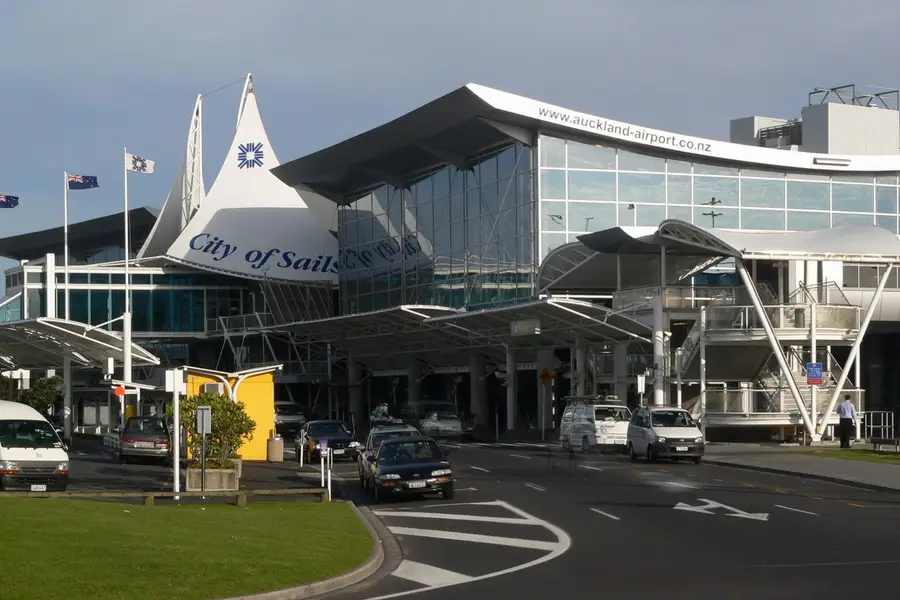
| Main gateways | Auckland, Wellington | Christchurch, Queenstown |
Scenery
The South Island is the postcard New Zealand. The Southern Alps run down its length, with Aoraki/Mount Cook at the centre. On the west side, glaciers such as Franz Josef and Fox flow towards the rainforest. In the south-west, Fiordland’s fiords include Milford and Doubtful sounds. Inland, the lakes of Queenstown, Wānaka and Tekapo glow blue under big skies.
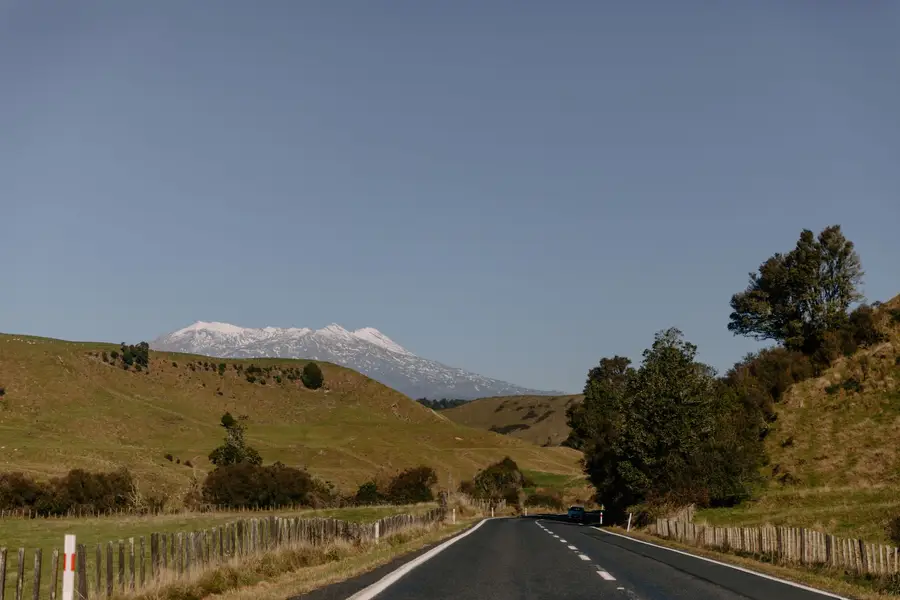
The North Island is more varied and gentler. The central plateau has active volcanoes in Tongariro National Park, Rotorua and Taupō sit on geothermal land, and the coasts have long, warm beaches from the Coromandel to the Bay of Islands. Cape Reinga, at the top of Northland, is a highly significant place for Māori, as DOC explains on its visitor pages.
Insider tip: if mountains are what you picture when you think of New Zealand, go south. If you want to come home with stories about culture, hot springs and beaches as well as views, the North Island delivers more variety in less driving.
Activities
North Island highlights, with prices as at November 2026:
| Activity | Detail |
|---|---|
| Hobbiton Signature Tour | $130 adult, about 2.5 hours |
| Waitomo Glowworm Cave | $85 adult, 45 minutes |
| Wai-O-Tapu, Rotorua | Lady Knox Geyser at 10.15 am daily |
| Tongariro Alpine Crossing | 20.2 km one way, 7 to 8 hours in summer (DOC) |
| Bay of Islands cruise | Hole in the Rock, $180 adult |
South Island highlights:
| Activity | Detail |
|---|---|
| Milford Sound cruise | From $179, about 2 hours |
| Franz Josef heli hike | $899, up to 2.5 hours on the ice |
| Hooker Valley Track | 10 km return, about 3 hours, free (DOC) |
| Shotover Jet, Queenstown | $199 adult |
| Lake Tekapo stargazing | From $129 |
Hikers will find more on the South Island, with 8 of the 11 Great Walks including the Milford, Routeburn and Kepler tracks. The North Island has the Tongariro Northern Circuit, Lake Waikaremoana and the Whanganui Journey canoe trip, plus the Tongariro Alpine Crossing, a 20.2 km one-day alpine walk across an active volcanic area (DOC). See our Great Walks guide.
Culture and cities
The North Island is where most visitors go for Māori culture. Highlights, with prices as at November 2026:
- Waitangi Treaty Grounds, Bay of Islands: $78 for international adults, ticket valid for two days.
- Whakarewarewa, Rotorua: a one-hour living village tour for $58.
- Te Puia, Rotorua: the 90-minute Te Rā guided experience for $105, with Pōhutu Geyser.
Auckland and Wellington are the country’s biggest cities, with museums, harbours and food scenes worth a day or two each. See things to do in Auckland and things to do in Wellington.
The South Island has smaller cities with their own character. Christchurch is the main gateway, and Dunedin has the Otago Peninsula, where the Royal Albatross Centre runs one-hour tours from $71.55 at the world’s only mainland royal albatross colony. See things to do in Christchurch and things to do in Dunedin.
If culture is a big part of why you are coming, the North Island has the edge. If you are happy with smaller cities and want more time outdoors, the South Island suits you better.
Driving
The South Island is bigger and emptier, so you drive further between highlights. Our 14-day South Island road trip is about 2,000 km, with the longest day about 360 km from Te Anau to Twizel. Our 10-day North Island road trip is about 1,300 km, with the longest day about 335 km from Napier to Wellington.
South Island roads include alpine passes, long stretches without fuel (there is none between Te Anau and Milford Sound) and many one-lane bridges. On both islands, read our driving rules for visitors before you set off.
Weather
The North Island is warmer, especially in winter. NIWA’s averages:
| Place | January high | July low | Annual rain |
|---|---|---|---|
| Auckland | 23.1°C | 7.1°C | 1,211 mm |
| Rotorua | 22.8°C | 3.5°C | 1,359 mm |
| Wellington | 20.3°C | 6.3°C | 1,215 mm |
| Christchurch | 22.7°C | 1.9°C | 618 mm |
| Queenstown | 21.8°C | minus 1.7°C | 741 mm |
| Hokitika (West Coast) | 19.5°C | 2.9°C | 2,901 mm |
Summer highs are similar across the country. Rainfall is not: Christchurch is the driest place in the table at 618 mm a year, while Hokitika on the West Coast gets almost five times as much, so a South Island loop can take you from dry plains to rainforest in a single day. Pack layers and a rain jacket whichever island you choose, because the weather in both can change fast. The big differences are the cold inland winters in the south and the rain on the West Coast. In winter the South Island is the place for skiing; our NZ winter and ski guide covers it.
Cost
Neither island is cheap, and costs depend more on your style than your island. A few patterns:
- Big South Island activities cost more. A Franz Josef heli hike is $899 and a 25-minute helicopter flight with an alpine landing at Aoraki/Mount Cook is NZ$379, against $130 for Hobbiton or $85 for the Waitomo Glowworm Cave.
- The South Island has more free hikes, from the Hooker Valley Track to Roys Peak.
- Longer distances mean more fuel. Regular petrol averaged about $3.48 a litre in early November 2026 (MBIE).
- Doing both islands adds a ferry crossing, and you may need to swap rental cars at the terminals.
Our NZ cost of travel guide breaks down a daily budget.
Doing both islands
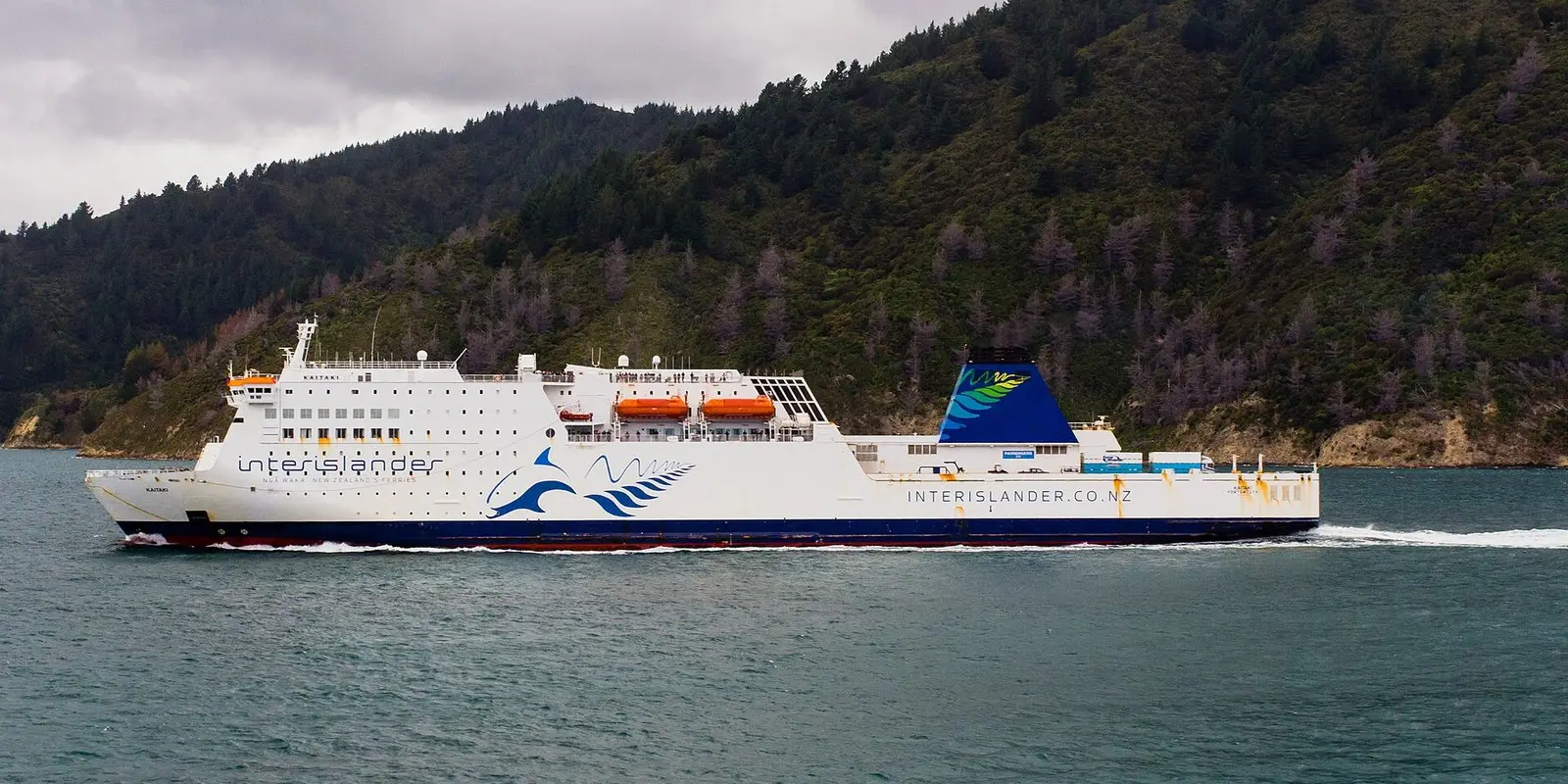
With three weeks or more, do both. The usual link is the Cook Strait ferry between Wellington and Picton, about 3 hours 30 minutes, with Interislander or Bluebridge. Check your rental company’s policy before booking: some let the vehicle sail, others have you swap cars at each terminal. Our Interislander vs Bluebridge guide explains the options.
Our 3-week New Zealand itinerary links the highlights of both islands. With two weeks or less, pick one island and you will see far more than if you rush both.
So which should you choose?
Choose the South Island if you want alpine scenery, glaciers and fiords, multi-day hikes, or adventure in Queenstown.
Choose the North Island if you want Māori culture, geothermal sights, Hobbiton, beaches and warmer weather, or you are short on time and flying into Auckland.
Do both if you have three weeks or more, and fly into Auckland and out of Christchurch or Queenstown (or the reverse) to avoid backtracking.
FAQ
Is the North or South Island better for a first trip to New Zealand?
How many days do you need for each island?
Which island has better weather?
How do you get between the North and South Islands?
Is the South Island more expensive than the North Island?
Sources
Last checked 11 November 2026
- Mean daily maximum temperatures · NIWA
- Mean daily minimum temperatures · NIWA
- Mean monthly rainfall · NIWA
- Compare Great Walks · Department of Conservation
- Ferry timetable · Interislander
- Rental car pick-up and drop-off policies · Bluebridge
- Hobbiton Movie Set Signature Tour · Hobbiton Movie Set
See more sources (15)See fewer
- Waitomo Glowworm Caves · Waitomo
- Tongariro Alpine Crossing · Department of Conservation
- Milford Sound Classic Cruise · RealNZ
- Glacier Heli Hike · Franz Josef Glacier Guides
- Hooker Valley Track · Department of Conservation
- Bay of Islands cruises and tours · Fullers GreatSights
- Waitangi Treaty Grounds: visit and tickets · Waitangi Treaty Grounds
- Retail rates 1 October 2026 to 30 September 2027 (PDF) · Whakarewarewa
- Te Rā, Adult · Te Puia
- Royal Albatross Centre tours · Royal Albatross Centre
- Mount Cook Ski Planes and Helicopters · Mount Cook Ski Planes and Helicopters
- Individual pass prices · Shotover Jet
- Stargazing tours · Tekapo Stargazing
- Plan your visit · Wai-O-Tapu Thermal Wonderland
- Weekly fuel price monitoring (weekly table CSV) · MBIE