Everyone arriving in New Zealand must complete a New Zealand Traveller Declaration, and you must declare all food, even small amounts, plus plants, animal products and used outdoor gear such as hiking boots and tents. If you are unsure, declare it or put it in an amnesty bin before the inspection point. Failing to declare risk goods, even by accident, can earn an instant $400 fine. Deliberate smuggling can mean fines up to $100,000 and up to 5 years in prison.
Key facts
- Instant fine
- $400 for failing to declare risk goods, even by accident
- Smuggling
- Fines up to $100,000, up to 5 years in prison, or deportation
- Declaration
- NZ Traveller Declaration, free online or in the NZTD app; submit from 24 hours before your trip
- Declare
- All food, plant and animal products, used outdoor and sports gear
- Duty free alcohol
- 4.5 litres of wine or beer, plus 3 bottles of spirits up to 1.125 litres each
- Duty free goods
- Up to $700 in total
- Rules checked
- As at November 2026
New Zealand takes biosecurity more seriously than almost anywhere you will fly into. The country’s farms, forests and native wildlife are vulnerable to pests and diseases that do not exist here yet, so what you carry in your bag matters. Every year visitors are caught out by an apple in a backpack or muddy boots in the hold.
The good news is that the rules are simple once you know them. This guide explains what counts as a risk item, the food rules, what to do with hiking gear, how the $400 fine works and how to declare. Everything is from the Ministry for Primary Industries (MPI), New Zealand Customs and the official NZ Traveller Declaration site, as at November 2026.
Quick answer
| Question | Answer |
|---|---|
| Do I need to fill in a declaration? | Yes, every traveller, even with nothing to declare |
| What must I declare? | All food, plant and animal products, used outdoor gear |
| What if I am unsure? | Declare it, or put it in an amnesty bin |
| What is the fine? | $400 instant fine for failing to declare |
| What about smuggling? | Up to $100,000, up to 5 years in prison, deportation |
| Will declared items be taken? | Often not. Many are cleared after inspection |
The golden rule: declaring is never an offence. The fine is for not declaring.
What risk goods are
MPI calls items that could carry pests or diseases “risk goods”, and you must declare all of them on your NZ Traveller Declaration. Its examples include:
- Any food, even the smallest amounts and ingredients for cooking.
- Plants or plant products, including wood products, fresh fruit and vegetables, and seeds.
- Animal products, such as feathers, shells, raw wool, skins and bones.
- Herbal medicines, which often contain plant or animal ingredients.
- Soil or water, including what is stuck to your gear.
- Used outdoor equipment, such as footwear, tents, camping and hiking gear, golf and sports gear, fishing gear and water sports gear.
Risk goods can be anywhere in your luggage, so think about your carry-on and daypack as well as your checked bag. On arrival, your bags may be sniffed by detector dogs, x-rayed or searched by biosecurity staff. Pack so that food and outdoor gear are easy to reach and show.
Why so strict? A single fruit fly, a seed caught in a boot tread or a fungus spore in soil can cost the farming and horticulture sectors dearly, and pests that reach native forests are almost impossible to remove. The rules apply to everyone, including New Zealanders coming home.
Food rules
MPI is clear: declare all food, even the smallest amounts and ingredients for cooking. Its list includes:
- fresh fruit and vegetables
- meat, eggs and seafood
- dairy products
- dried mushrooms and fungi
- honey and honey products
- seeds for eating or processing
- nuts, spices, herbs and unpopped popcorn
- dried, cooked or preserved fruit and vegetables
- grains and pulses
- pickles, including pickled meat and fish
That covers more than most people expect. The half-eaten bag of nuts from the plane, the spice mix for a friend, the honey you bought at the airport: all of it needs to be declared.
Declaring food does not automatically mean losing it. A biosecurity officer will look at what you have declared and decide whether it can come in. Some items are fine, some are not, and you will not be fined for anything you have declared honestly.
Insider tip: finish or bin the airline snacks before you land. Fruit handed out on the flight is a classic way to get fined, because people forget it is in their bag. If you are unsure, the amnesty bins before the inspection point are there so you can get rid of things without penalty.
Hiking gear
If you are coming to walk, camp or play sport, this section matters. MPI says used outdoor equipment must be declared, because it can carry soil and plant material that may hold pests, diseases and seeds. That includes:
- hiking boots and any used footwear
- tents and camping gear
- fishing gear
- golf clubs and other sports equipment
- water sports gear such as wetsuits and paddles
MPI says most household items, clothing and shoes are generally allowed if they are clean, though clearance is never guaranteed. Soil and seeds hiding in boot treads and tent bags are the usual problem.
Clean everything at home before you pack:
- Scrub boot soles and check the tread for mud and seeds.
- Shake out and wash your tent, including the pegs and the bottom of the bag.
- Check the velcro, pockets and socks of anything you wore on a hike.
- Rinse fishing and water sports gear and let it dry fully.
Clean gear still needs to be declared, but it is much more likely to be cleared quickly. If you are planning big walks here, our Great Walks guide covers the tracks and bookings.
The fine
MPI says people who fail to declare risk goods, even by accident, may be given an instant $400 infringement fee. It is a strict liability offence under section 154N(21) of the Biosecurity Act 1993, which means intent does not matter: forgetting the apple in your bag is still an offence.
If you are issued an infringement notice, you can:
- pay the $400 straight away
- pay it within 14 days
- ask for the notice to be waived
- request a court hearing
You do not get a criminal conviction for the infringement. Deliberate smuggling is different: anyone convicted could be fined up to $100,000, jailed for up to 5 years, or deported.
The official traveller declaration site adds that false declarations can lead to confiscation of goods, a minimum instant fine of $400, prosecution, imprisonment and deportation.
MPI also reminds travellers that you are responsible for what is in your bags and in the bags of anyone under 18 travelling with you. Check your children’s backpacks too.
Declaring
Before you fly. Everyone entering New Zealand must complete a New Zealand Traveller Declaration (NZTD), including children and people with nothing to declare. It is free on the official NZTD website or the NZTD app. For air travellers, the earliest you can submit it is 24 hours before you start your trip. Use only the official site: it is free, so there is no reason to pay anyone else.
You will need:
- passport details
- your first address in New Zealand
- your travel history from the last 30 days
- flight details
- what you are bringing, in checked and carry-on bags
- your visa or NZeTA, if you need one
On arrival. A paper declaration is available if you cannot complete it online. Before the inspection point you will see marked amnesty bins where you can dispose of risk goods. Then a biosecurity officer will check your declaration and may ask questions or inspect your bags.
Customs, not just biosecurity. The NZTD also covers Customs. You may need to declare medicines, tobacco and alcohol, and cash of $10,000 or more. As at November 2026, New Zealand Customs lists these duty-free allowances for anyone 17 or older:
| Item | Duty-free allowance |
|---|---|
| Wine or beer | 4.5 litres |
| Spirits or liqueur | 3 bottles, each up to 1.125 litres |
| Tobacco | 50 cigarettes or 50 g of tobacco products |
| Other goods | Up to $700 in total |
You cannot combine your $700 allowance with other people in your group.
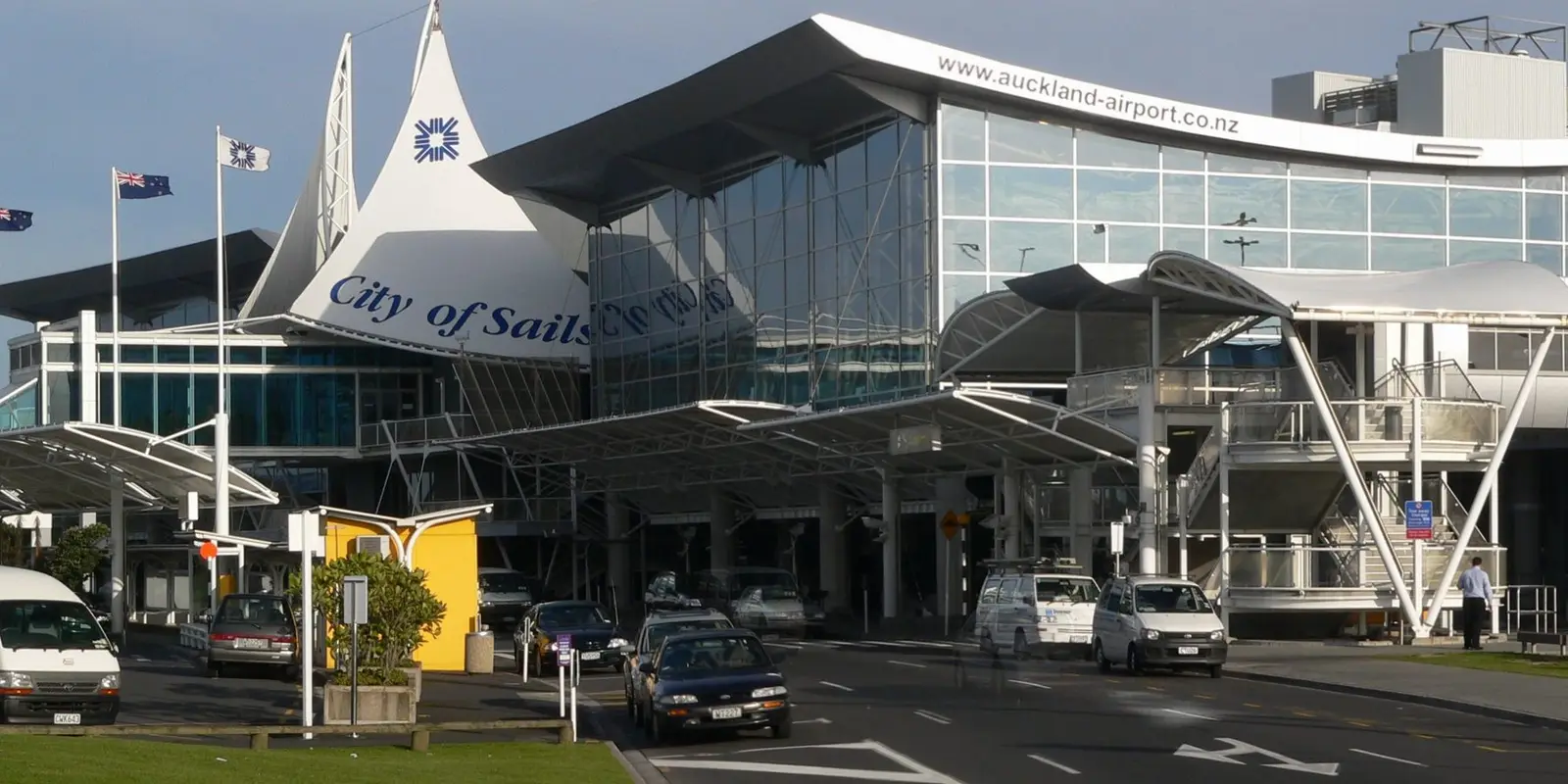
The rest of your arrival. If you still need an NZeTA, our NZeTA guide explains how to apply, and our Auckland airport transfers guide covers getting into the city once you are through.
FAQ
What happens if I declare food at the New Zealand border?
Do I need to declare hiking boots in New Zealand?
Can I bring snacks into New Zealand?
Is the $400 biosecurity fine a criminal conviction?
When can I fill in the New Zealand Traveller Declaration?
Sources
Last checked 11 November 2026
- How to declare items when arriving in NZ · Ministry for Primary Industries
- What happens if you fail to declare · Ministry for Primary Industries
- Bringing shoes, clothing, equipment, household and wooden items to NZ · Ministry for Primary Industries
- Completing your declaration · New Zealand Traveller Declaration
- Duty-free shopping · New Zealand Customs Service