Auckland's best things to do are mostly outdoors and close to the city. Walk up Maungawhau/Mt Eden (196 m, free, no cars to the summit), ferry to Rangitoto (25 minutes, $63 adult return, booking essential) or Waiheke (40 to 45 minutes, from $65 adult return), and drive 49 minutes to black sand Piha, swimming only between the flags. On a wet day, the Auckland Art Gallery is free and the Auckland Museum is $32 for international adults.
On this page
Key facts
- Maungawhau/Mt Eden
- 196 m, free; summit closed to private vehicles; gates 7 am to 8:30 pm in summer
- Rangitoto ferry
- 25 minutes; $63 adult, $28.50 child return; booking essential (Fullers360)
- Rangitoto Summit Track
- 2 hours, 7 km return, 250 m climb (DOC)
- Waiheke ferry
- 40 to 45 minutes; from $65 adult return walk-up (Fullers360)
- Piha
- About 40 km, 49 minutes from the city (estimate); swim between the flags
- Auckland Museum
- $32 international adult, $16 child; NZ residents by donation
- Sky Tower
- $47 adult (15+); Sky Deck add-on $2
- Prices checked
- As at November 2026
Most visitors land in Auckland and leave the next morning. That is a mistake. New Zealand’s biggest city is built on a volcanic field between two harbours, so within an hour of the centre you can climb a volcano, take a ferry to a lava island or a wine island, and stand on a wild black sand surf beach.
This guide covers the best things to do in Auckland for a first visit, sorted the way most people plan: volcanoes, islands, beaches, the west coast, food and rainy day options. Facts are from the Tūpuna Maunga Authority, DOC, Fullers360, Auckland Council and the venues themselves. Prices are in NZD, as at November 2026.
Quick answer
- One thing to do: walk up Maungawhau/Mt Eden at sunset or early morning.
- Best half day: the ferry to Rangitoto and the summit track. Book ahead.
- Best full day: Waiheke for wineries, beaches and lunch.
- Wild coast: Piha, about 49 minutes’ drive west.
- Rainy day: the free Auckland Art Gallery, the Auckland Museum and the Sky Tower.
If you are flying in on a visa waiver, remember you need an NZeTA before you travel.
Volcanic cones
Auckland’s volcanic cones, the Tūpuna Maunga, hold a paramount place for the 13 iwi and hapū of Auckland, and they are cared for by the Tūpuna Maunga Authority. Treat them with respect: stay on the paths and do not walk on the terraces or the crater floors.
Maungawhau/Mt Eden is the one to do. At 196 m it is the highest volcano in Auckland, and its crater is 180 m across and 50 m deep. It was once a huge Māori pā, and you can still see terraces and storage pits on the slopes. Since January 2016 the summit road and the summit have been closed to private vehicles, so you walk up, and a boardwalk now circles part of the crater rim. The gates are open 7 am to 8:30 pm in summer and 7 am to 7 pm in winter.
Other easy cones close to the centre include Maungakiekie/One Tree Hill and, across the harbour in Devonport, Takarunga/Mt Victoria and Maungauika/North Head. Some heritage tunnels at North Head have temporary closures from October 2026, so check the Authority’s news page first.
Insider tip: go up Maungawhau just after the gates open on a clear morning. The light is soft, the city is quiet and you will not be fighting for a spot on the boardwalk.
Islands
Rangitoto
Rangitoto is the young volcano you see from every waterfront in the city. The ferry from downtown takes about 25 minutes, and some sailings go via Devonport. Fullers360 fares are $63 adult return, $28.50 child (5 to 15), $149 family, and bookings are essential: tickets are only valid for the sailing on your ticket, and there are only a few departures a day. There is no service on Christmas Day.
DOC’s Rangitoto Summit Track is 2 hours, 7 km return, with 250 m of climbing over rough lava, loose gravel and little shade. It passes through the world’s largest pōhutukawa forest to a lookout over the 60 m deep crater and the Hauraki Gulf. DOC warns to allow plenty of time to get back to the wharf so you do not miss your return ferry. Side trips include the Crater Rim Track (20 minutes) and the Lava Caves Track (15 minutes each way), which kids love. Bring water, a torch for the caves and sun protection, and check, clean and seal your gear before you go, because the island is pest free.
Waiheke
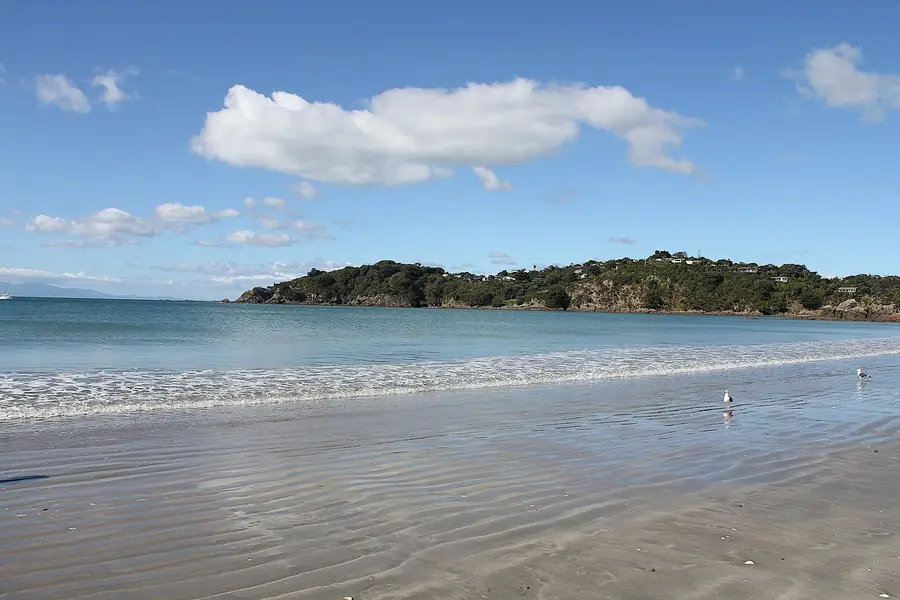
Waiheke is the wine and beach island. Fullers360 says it has more than 30 wineries, and the ferry from Piers 11 and 12 takes 40 to 45 minutes. Walk-up adult returns start at $65, Priority is $75 and the separate Reserve service is $104. Walk-up tickets are valid for a year, so you do not need to book a time. On the island, Oneroa and Little Oneroa are walking distance from the main village, and Onetangi has a long white sand beach. Get around by bus, hire car, e-bike or a hop-on hop-off tour.
Beaches
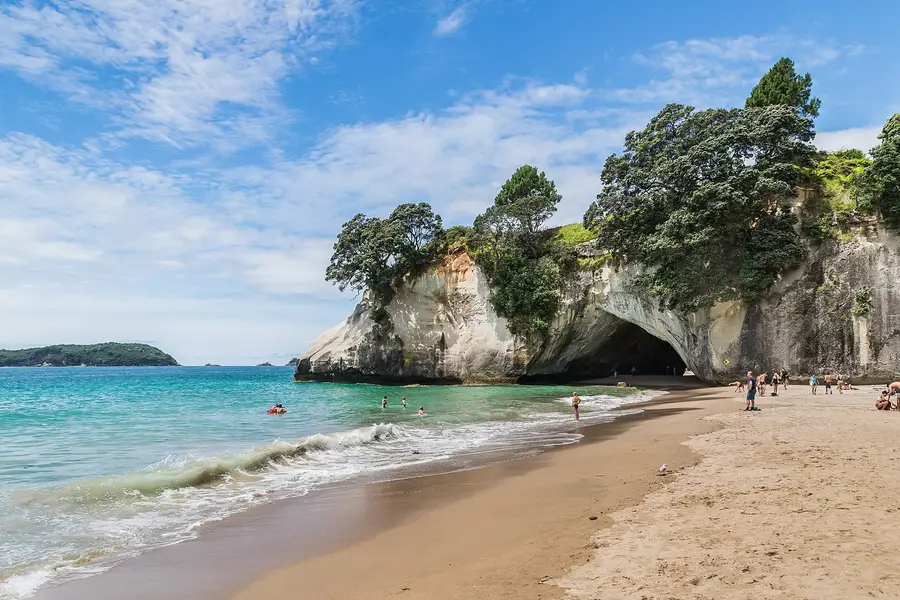
The harbour beaches are calm and family friendly, while the west coast is rugged surf. Close to the city, Mission Bay on the eastern waterfront and Takapuna on the North Shore are easy options for a swim on a hot day; check Safeswim for water quality after heavy rain. Waiheke’s Oneroa and Onetangi are the island picks. Further afield, the Coromandel is about 2 hours 20 minutes away and has Cathedral Cove and Hot Water Beach.
West coast
Piha is Auckland’s most famous west coast black sand beach, in the Waitākere Ranges Regional Park, about 40 km and 49 minutes’ drive from the city (routing estimate). The landmark is Lion Rock, which splits the beach in two. It is a popular spot for swimmers and surfers, but the surf is powerful. Auckland Council’s advice is clear: always swim between the flags, and wear a life jacket if you are fishing. Check the Safeswim website for live water quality and patrol information before you go.
Dog rules at Piha vary by area and time of day, and some areas, including the rocks, are dog free. Some tracks in the Waitākere Ranges are closed, partly to protect kauri from disease, so check the council’s open tracks list before planning a walk.
Food and markets
The easiest way to graze in Auckland is to pick a neighbourhood and wander: the waterfront and Britomart are handy for the ferry terminal, and Ponsonby is known for its cafes and bars. On Waiheke, Fullers360 points to Oneroa Village for cafes and to the Ostend Market every Saturday from 7:30 am to 1 pm. For a splurge, Waiheke’s vineyard restaurants make a long lunch the main event.
Rainy day ideas
| Option | Price | Hours | Notes |
|---|---|---|---|
| Auckland Art Gallery Toi o Tāmaki | Free (general collection) | 10 am to 5 pm daily, except Christmas Day | 1 Kitchener Street, central city |
| Auckland Museum | $32 international adult, $16 child (5 to 15), $86 family; NZ residents by donation; Aucklanders free | 10 am to 5 pm weekdays, 9 am to 5 pm weekends | Late opening Tuesdays to 8:30 pm |
| Sky Tower | $47 adult (15+), $32 child (10 to 14), $25 child (3 to 9), $140 family | Check on the day | Sky Deck at 220 m is a $2 add-on; tickets valid six months |
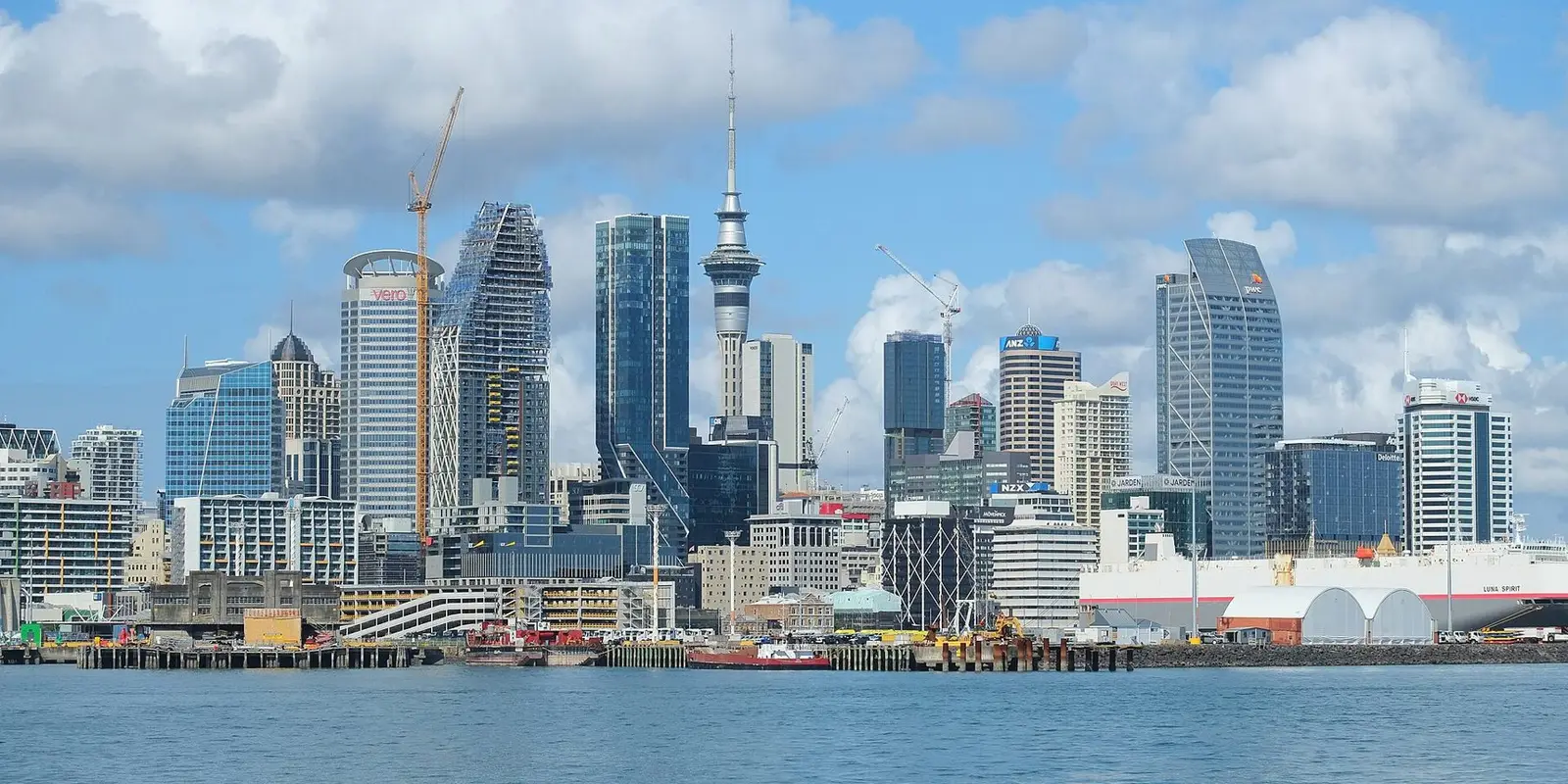
The Auckland Museum also runs a Māori cultural performance and, for a limited season, a rooftop tour ($30). Note that some galleries, including the Māori Court and Pacific galleries, have been closed, so check what is open before you go. The Sky Tower is 328 m tall, with the main observation level at 186 m and views of up to 80 km on a clear day.
A two-day plan
Day 1: city and volcano. Start with an early walk up Maungawhau/Mt Eden, then head into the city for the Auckland Museum in the Domain or the free Art Gallery. In the afternoon, walk the waterfront to the ferry terminal and catch a ferry across to Devonport for a short climb up Takarunga/Mt Victoria and harbour views back to the Sky Tower. Finish with dinner in the central city or Ponsonby.
Day 2: pick an island or the coast. If you like walking, take the morning ferry to Rangitoto, climb the summit and explore the lava caves, then catch the return sailing. If you prefer food and wine, spend the day on Waiheke instead. If you have a car and the surf forecast is calm, drive out to Piha for the afternoon and stay for the sunset over the Tasman Sea.
With a third day, do the option you skipped, or start driving south. Hobbiton is about 2.5 hours’ drive away; see our Hobbiton guide for tickets and timing.
Getting around
Auckland’s centre is walkable, and the ferries leave from the downtown ferry terminal on Quay Street, a short walk from Britomart train station. For the islands you do not need a car at all. For Piha, the west coast and anything beyond the city, a car makes life much easier.
Where to stay
The central city and waterfront are best for a short stay without a car, close to the ferry terminal, the museum and the gallery. Ponsonby and Parnell are quieter with good restaurants. Devonport is a village across the harbour, handy for North Head and Mt Victoria, and some Rangitoto sailings stop there. If you are picking up a car or campervan, staying near the airport for the first night makes sense; see our car rental guide, and if you are heading south, our North Island road trip starts here.
FAQ
What is the best free thing to do in Auckland?
Do I need to book the Rangitoto ferry?
Is Waiheke worth a day trip?
Is it safe to swim at Piha?
What can you do in Auckland when it rains?
How many days do you need in Auckland?
Sources
Last checked 11 November 2026
- Maungawhau / Mount Eden · Tūpuna Maunga Authority
- Rangitoto Summit Track · Department of Conservation
- Rangitoto Island ferry · Fullers360
- Waiheke Island ferry · Fullers360
- Piha, Waitākere Ranges Regional Park · Auckland Council
- Hours and admission · Auckland Museum
- Plan your visit · Auckland Museum
See more sources (3)See fewer
- Plan your visit · Auckland Art Gallery Toi o Tāmaki
- Sky Tower · SkyCity Auckland
- Route distances and times (OpenStreetMap routing, no stops) · OSRM / OpenStreetMap contributors