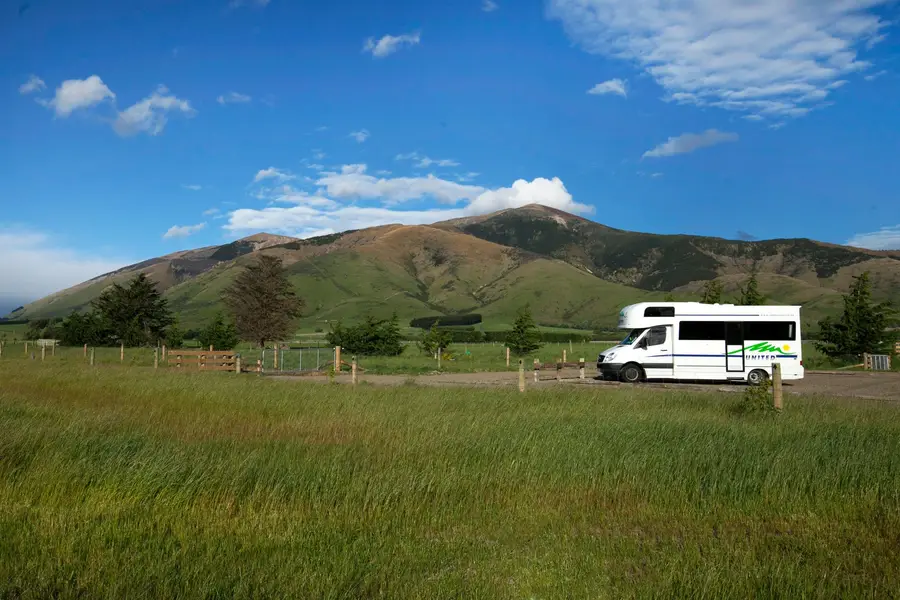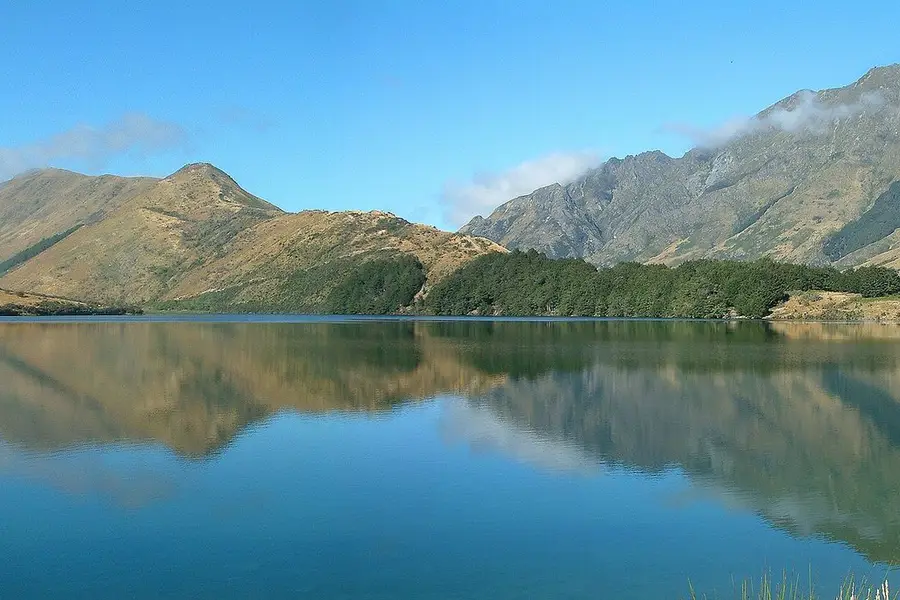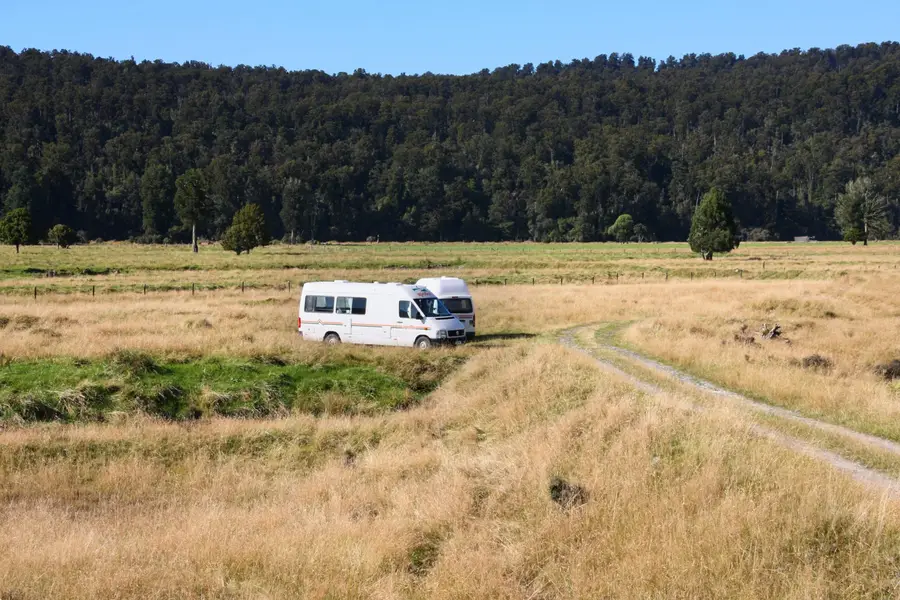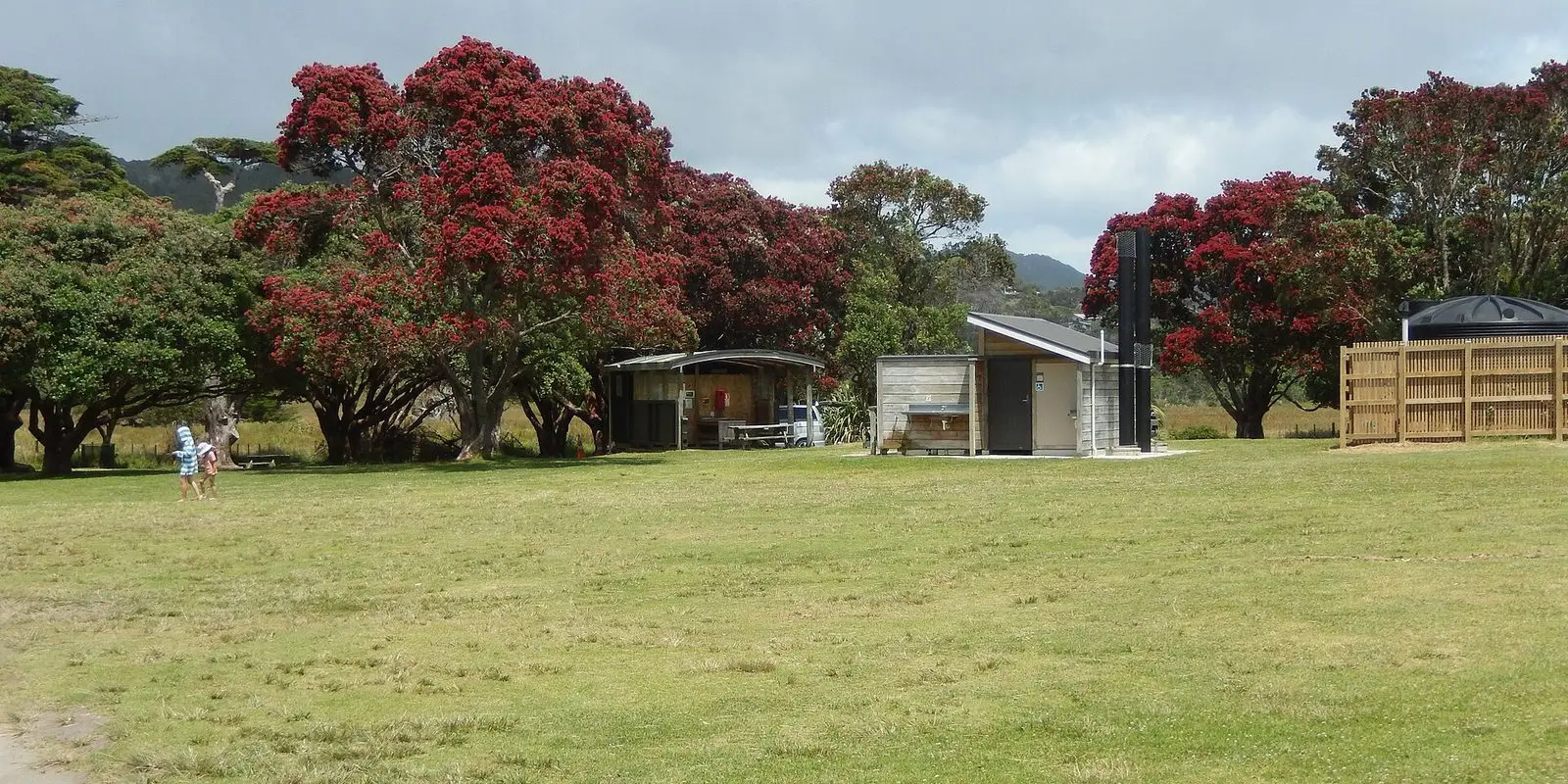
New Zealand has three main ways to camp: DOC campsites (free to $25 per adult a night), private holiday parks with showers, kitchens and power (Glentanner near Aoraki/Mount Cook starts at $43 per adult for a powered site), and freedom camping, which is for certified self-contained vehicles only. DOC's serviced campsites always need booking, and some others do in peak season (usually 1 October to 30 April). A $295 Campsite Pass covers most DOC sites for a year.
On this page
Key facts
- DOC serviced campsite
- $25 per adult a night (tent); powered $20 to $28 (as at November 2026)
- DOC standard campsite
- $10 to $20 per adult a night
- DOC basic campsite
- Free
- Children and infants (DOC)
- Ages 5 to 17 half price; 0 to 4 free
- DOC Campsite Pass
- $295 adult, $147.50 child, valid one year
- Peak booking season
- Usually 1 October to 30 April (DOC)
- Holiday park example
- Glentanner: powered from $43, non-powered from $37 per adult
- Freedom camping
- Certified self-contained vehicles only
- Prices checked
- As at November 2026
Camping is the cheapest way to sleep somewhere spectacular in New Zealand, and also the most confusing. There are DOC campsites in four categories, private holiday parks, freedom camping rules that changed in 2023, a national pass and a booking system that opens in May. This guide untangles all of it.
Fees and rules here are from the Department of Conservation (DOC) and the campsites’ own websites, as at November 2026.
DOC campsite categories
DOC runs campsites on conservation land all over the country, from beachfront grass to alpine valleys. Each one is graded by facilities, and the grade sets the price.
| Category | What you get (DOC) | Adult per night | Child (5 to 17) |
|---|---|---|---|
| Serviced | Flush toilets, tap water, kitchen or cooking bench, hot showers, rubbish collection, road access for all vehicles. Sometimes laundry and barbecues | $25 tent site; $20 to $28 powered | $12.50; $10 to $14 powered |
| Standard | Toilets, water (tap, stream or lake), vehicle or boat access. Sometimes cold showers, picnic tables, a cooking shelter | $10 to $20 | $5 to $10 |
| Basic | Basic toilets, untreated water from a tank, stream or lake. Be fully self-sufficient | Free | Free |
| Backcountry | Toilets and a water supply, often reached on foot | Free | Free |
Infants aged 0 to 4 stay free at all of them. DOC says to boil untreated water before drinking it.
Great Walk campsites are a separate group with their own prices. There are nearly 60 of them, near huts or in set areas on every Great Walk except the Milford Track and the Paparoa Track. Our Great Walks guide covers their fees.
One rule surprises people: DOC charges the fee for two adults if you book or hold a site you do not use, for example by leaving an empty tent or vehicle on it.
Holiday parks
Holiday parks are private campgrounds, usually with powered sites for campervans, tent sites, cabins and sometimes motel units. Expect hot showers, a shared kitchen and laundry; some add extras such as playgrounds. They cost more than DOC sites, but you get power, showers and somewhere to cook in the rain.
Prices are set by each park and change with the season. As one example, Glentanner Park, on a sheep station about 18 km from Aoraki/Mount Cook National Park, lists:
| Glentanner Park (as at November 2026) | Adult | Child (2 to 14) |
|---|---|---|
| Powered site | From $43 | From $21.50 |
| Non-powered site | From $37 | From $18.50 |
Compare that with the DOC White Horse Hill Campsite inside the national park, at $20 per adult, with water, a cooking shelter and basic toilets but no showers. Many travellers mix the two: DOC sites most nights, and a holiday park every few days to shower, do laundry and charge everything.
Holiday Parks New Zealand lists parks by region on its website, which is a good place to start.
Freedom camping vs paid campsites
Freedom camping means staying overnight on public land that is not a campsite. Since the 2023 law change, vehicle-based freedom camping on council and DOC land is only allowed in a certified self-contained vehicle, which now means one with a green warrant and a permanently fixed toilet. The standard fine for breaking the rules is $400. Our freedom camping rules guide explains the warrant, the fines and how to find legal spots.
So the choice depends on your vehicle:
| You are travelling in | Your options |
|---|---|
| Tent | DOC campsites, holiday parks |
| Car or non-self-contained van | DOC campsites, holiday parks |
| Certified self-contained campervan | All of the above, plus freedom camping where local rules allow |
Even with a self-contained van, a paid campsite is often the better night: you get a toilet that is not yours to empty, a guaranteed space and frequently a better view.
How to book
DOC campsites come in three booking types:
- Bookable year round. All serviced campsites. Book online from the campsite’s DOC page.
- Bookable in peak season only. Some scenic and standard campsites need booking in peak season, which DOC says is usually 1 October to 30 April.
- Not bookable. First come, first served. Pay at the self-registration stand by putting the fee in an envelope, or pay the warden if one is there, and display the receipt on your tent or vehicle.
When bookings open. For stays from 1 July 2026 to 30 June 2027, DOC opened North Island campsites on 14 May 2026 and South Island campsites on 15 May 2026, with Tōtaranui in Abel Tasman on 22 May. The popular summer sites go quickly, so if you are travelling over Christmas and January, book as soon as you know your route.
You pay when you book, and your confirmation email is your proof of booking. Some campsites can also be booked through local DOC visitor centres, but a busy site may charge a service fee for that: at White Horse Hill, phone and in-person bookings cost an extra $10.
Insider tip: if a bookable campsite shows no availability online, it really is full. DOC says no spaces are kept for walk-ins at sites like White Horse Hill. Same-day online bookings are possible there until 8 pm if a site frees up, so check your phone before you drive in.
Costs and the Campsite Pass
A typical week of DOC camping for two adults, using DOC’s published fees:
| Example week, 2 adults | Cost |
|---|---|
| 3 nights at a serviced site ($25 x 2) | $150 |
| 3 nights at standard sites at $15 ($15 x 2) | $90 |
| 1 night at a basic site | $0 |
| Total | $240 |
The DOC Campsite Pass costs $295 for an adult and $147.50 for a child (5 to 17) and is valid for a year from the start date you choose. It covers bookable and non-bookable DOC campsites, with some exclusions. The fine print:
- You can use it for up to 7 nights in a 30-day period at any one campsite.
- Powered sites still cost $3 per pass holder per night.
- It does not guarantee a space at first come, first served sites, and you still need to book bookable sites in advance.
- You can buy it up to one month before your first night, and cancel within 48 hours for a refund if you have not used it.
The maths: at $15 a night, the adult pass pays for itself after 20 nights; at $25 a night, after 12. If you are on a three-week South Island loop and plan to use DOC sites most nights, it is worth a look. For a one-week trip that mixes motels and holiday parks, it is not.
For the bigger picture of campervan costs, including hire, insurance and fuel, see our campervan hire costs guide.
Apps and websites
Three tools cover most of what you need:
- DOC’s website and booking system. The only place to book DOC campsites, with each site’s facilities, fees and rules.
- CamperMate. A website and app listing paid and free campsites, plus other traveller services.
- Rankers. A camping app and website with campsite listings and independent traveller reviews it has collected since 2007.
Holiday Parks New Zealand’s site is useful for comparing parks in a region. Whatever app you use, check the official DOC or council page before you park, because local freedom camping rules change and app listings can lag.
Campsite etiquette and rules
A few things that keep you out of trouble and on good terms with the neighbours:
- Pay before you sleep, whether that is a booking or a self-registration envelope.
- Take your rubbish with you at sites without bins.
- Use the toilets, and never empty grey or black water anywhere but a dump station.
- Check fire rules. Some areas, such as Aoraki/Mount Cook National Park, have a permanent fire ban.
- Keep the noise down after dark. Sound travels at small sites.
- Check before bringing a dog. Dogs are not allowed at many DOC campsites, including those in national parks such as Aoraki/Mount Cook. Each campsite page says.
FAQ
How much does a DOC campsite cost?
Do I need to book DOC campsites?
Is the DOC Campsite Pass worth it?
Can I sleep in my car or a non-self-contained van in New Zealand?
What is the difference between a DOC campsite and a holiday park?
Sources
Last checked 11 November 2026
- Campsite facilities and fees · Department of Conservation
- Booking and paying for a campsite · Department of Conservation
- Campsite Pass · Department of Conservation
- Great Walk, hut and campsite bookings open from 12 May (media release, 2026) · Department of Conservation
- White Horse Hill Campsite · Department of Conservation
- Powered sites · Glentanner Park Centre
- Non-powered sites · Glentanner Park Centre
See more sources (3)See fewer
- Holiday Parks New Zealand · Holiday Parks New Zealand
- CamperMate · CamperMate
- Rankers · Rankers