The surest wild penguin sighting in New Zealand is the evening viewing at Ōamaru Penguins, where hundreds of little penguins can come ashore after sunset (general $50 adult, premium $70). For the rare yellow-eyed penguin (hoiho), watch from the free hide at Bushy Beach in Ōamaru, the viewing platform at Curio Bay in the Catlins, or join a guided tour at The OPERA on the Otago Peninsula. Banks Peninsula has white-flippered penguins at Pōhatu, and Fiordland crested penguins (tawaki) visit Monro Beach from July to November. Rain or no time? See rescued little penguins at Christchurch's International Antarctic Centre ($74 adult). Prices as at November 2026.
On this page
Key facts
- Ōamaru Penguins evening viewing
- General $50 adult, $30 child (5 to 17); premium $70 adult
- Ōamaru day entry
- $25 adult, $15 child; from 10am
- Hoiho, free
- Bushy Beach hide (Ōamaru) and Curio Bay platform (Catlins)
- Tawaki season
- July to November at Monro Beach, near Lake Moeraki
- International Antarctic Centre
- $74 adult, $49 child; 9am to 4.30pm
- Penguin in trouble?
- Call DOC on 0800 362 468
- Checked
- As at November 2026
New Zealand is one of the best places on earth to see penguins in the wild. Several species breed on the mainland, from the little penguin, the world’s smallest, to the hoiho or yellow-eyed penguin, one of the rarest. Most of the action is on the South Island’s east and south coasts, and almost all of it happens at the edges of the day, when birds leave for the sea at dawn or waddle home at dusk.
Below are the best places to see them, from a grandstand at Ōamaru to quiet clifftop hides, with prices and times as at November 2026 from the operators and DOC.
Penguin spots compared
| Where | Species | Cost | Best time |
|---|---|---|---|
| Ōamaru Penguins, evening viewing | Little penguin | $50 adult general, $70 premium | Dusk, all year |
| Ōamaru Penguins, day entry | Little penguin (in nest boxes) | $25 adult | 10am until about an hour before evening viewing |
| Bushy Beach, Ōamaru | Yellow-eyed penguin | Free | Late afternoon, from the hide |
| The OPERA, Otago Peninsula | Yellow-eyed penguin and others | Guided tour, book ahead | Check departures when booking |
| Curio Bay, Catlins | Yellow-eyed penguin | Free | Late afternoon and evening |
| Pōhatu, Banks Peninsula | White-flippered penguin | Guided tour | Check when booking |
| Monro Beach, South Westland | Fiordland crested penguin | Free | July to November |
| International Antarctic Centre | Rescued little penguins | $74 adult | 9am to 4.30pm |
| Kelly Tarlton’s, Auckland | Penguin colony on snow | Online from $34 adult | 9.30am to 5pm |
Know your penguins
- Little penguin (kororā): the world’s smallest penguin, slate blue on top and white below. It nests in burrows and boxes around much of the coast. DOC notes kororā are not classified as threatened, though predators, dogs and disturbance still put pressure on them. The Banks Peninsula variant is the white-flippered penguin.
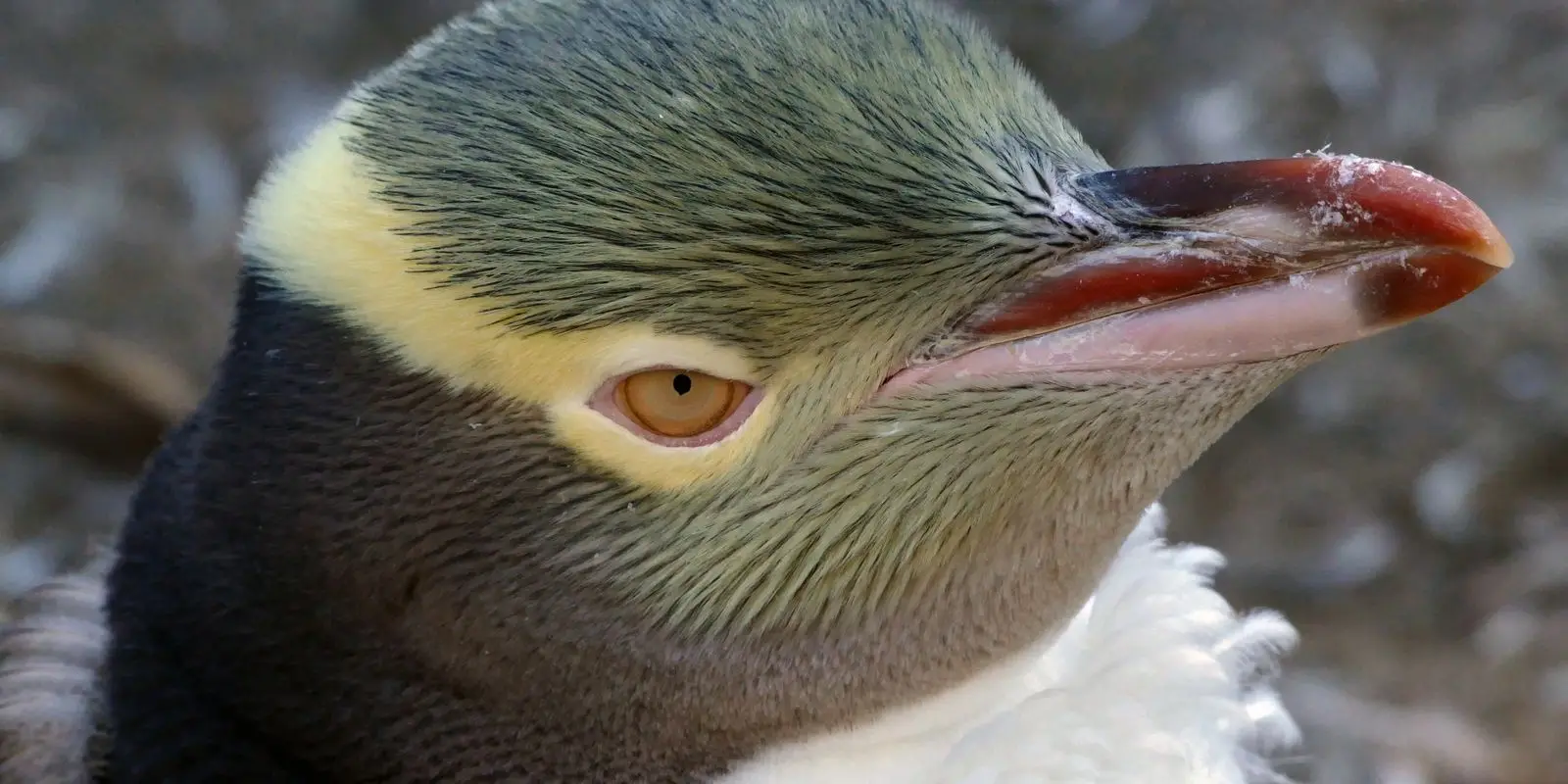
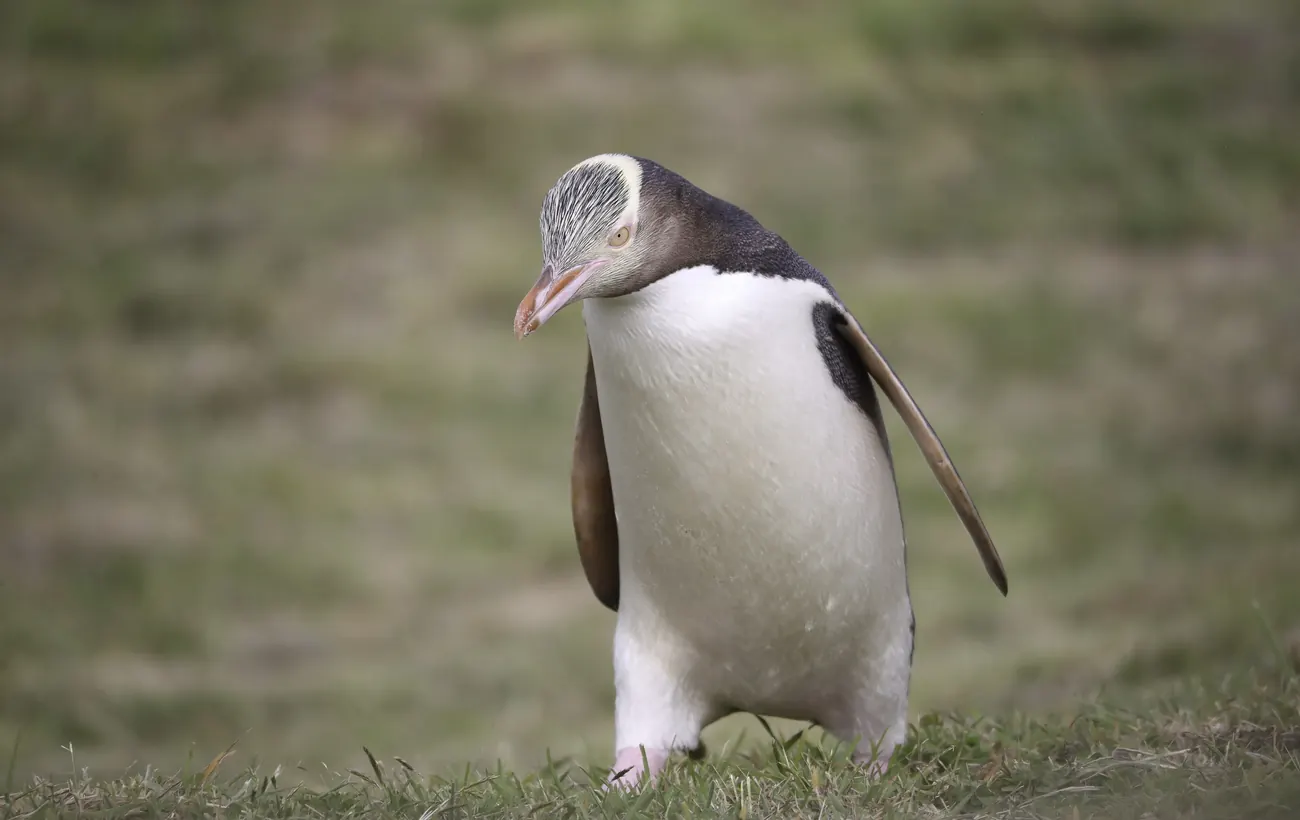
- Yellow-eyed penguin (hoiho): found only in New Zealand and thought to be one of the world’s rarest penguins. DOC estimated the northern population, which includes the South Island and Stewart Island, at 265 breeding pairs in 2019, a 65% fall in 20 years. Treat every sighting as a privilege.
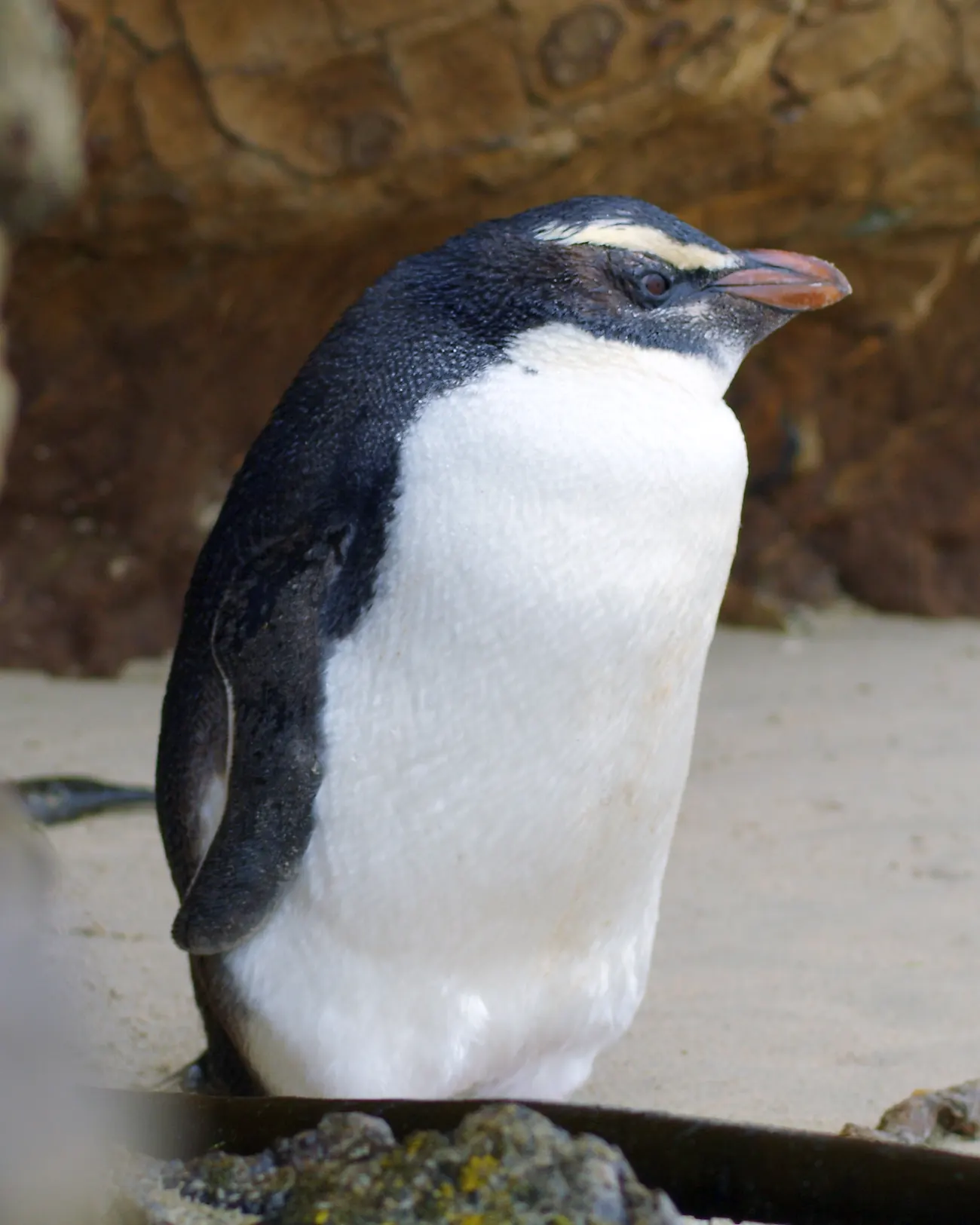
- Fiordland crested penguin (tawaki): a shy penguin with yellow eyebrow crests that nests in the rainforest of South Westland and Fiordland.
Ōamaru Penguins: the sure thing
If you only do one penguin experience, make it Ōamaru Penguins, the colony in the south-east corner of Ōamaru Harbour at 17 Waterfront Road, a few hundred metres past Sumpter Wharf. It is about 3½ hours’ drive south of Christchurch and 1½ hours north of Dunedin.
The evening viewing is the main event. You start in the Discovery Centre, then take a seat in a grandstand while specialist guides commentate as the little penguins come ashore up a stony ramp and cross into the colony. The colony posts how many penguins arrived the night before, and on a good night it can be hundreds.
| Evening viewing | General | Premium |
|---|---|---|
| Adult | $50 | $70 |
| Seniors, students, YHA and similar | $45 | $63 |
| Children (5 to 17) | $30 | $42 |
| Family (2 adults and 2 children) | $145 | $182 |
| Under 5 | Free | Free |
The general grandstand seats up to 350 people about 10 to 15 metres from the penguins. The premium stand has individual seats for up to 60 people just a few metres away, plus a walk through the colony after dark, and must be booked ahead.
Start times follow sunset. From October to March, viewing begins between 7pm and 9pm, and from April to September between 5pm and 6.30pm. Allow one to two hours and dress warmly, as the colony says even summer evenings are chilly. Cameras, filming and bright screens are not allowed during the evening viewing.
Day entry
By day, a self-guided visit costs $25 adult, $22.50 for seniors, students and YHA members, $15 child (5 to 17) or $65 family, with under 5s free. Entry runs from 10am until about an hour before the evening viewing. The penguins are usually at sea or hidden in their nests, but a viewing room gives you a peek inside specially designed nest boxes. From August to February you are likely to see penguins incubating eggs, raising chicks or moulting there, and sightings can’t be guaranteed outside the breeding season.
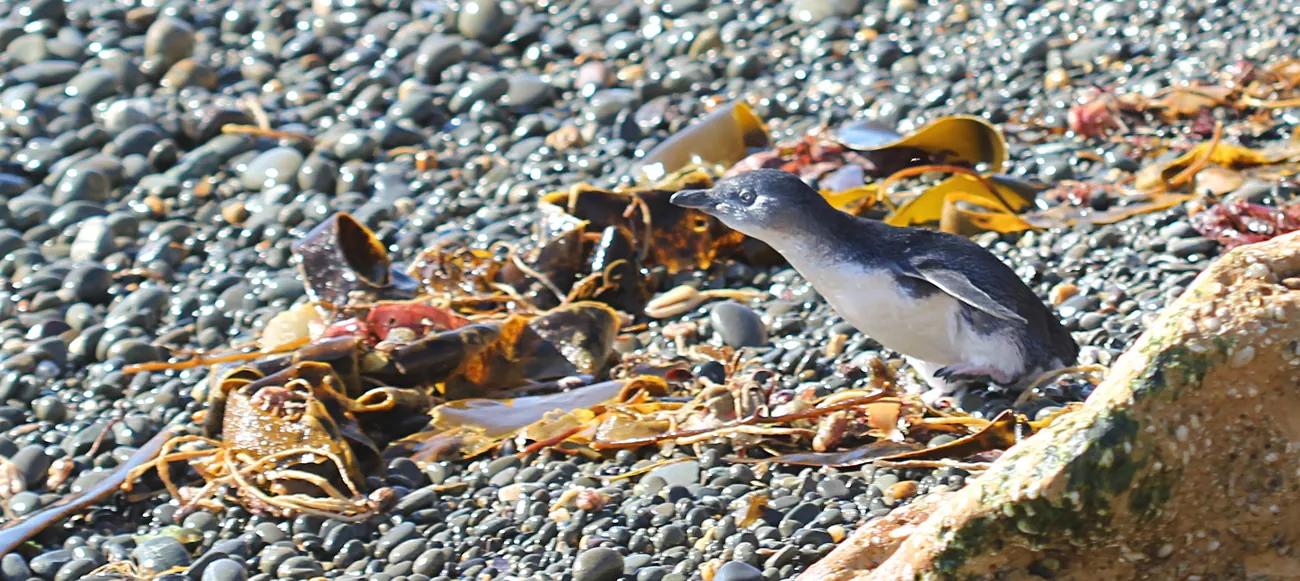
Ōamaru · From $25 by day
Ōamaru Penguins
17 Waterfront Road, Ōamaru
Evening viewing from $50 adult as the little penguins come ashore after sunset.
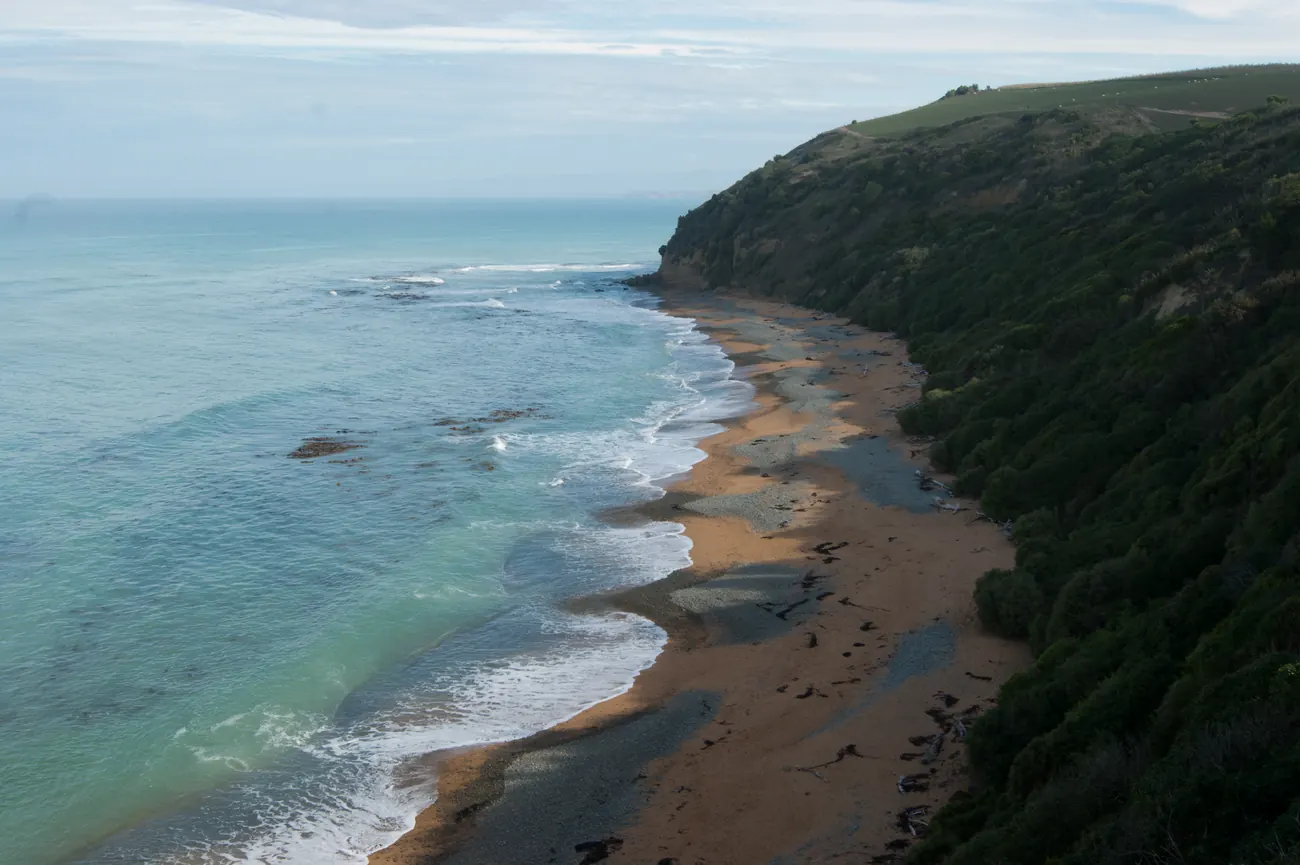
Ōamaru · Free
Bushy Beach hide
End of Bushy Beach Road, Ōamaru
A short clifftop track to a hide above a yellow-eyed penguin beach.
Yellow-eyed penguins at Bushy Beach
Ōamaru also has a free chance to see hoiho. At Bushy Beach Scenic Reserve, on the southern edge of town at the end of Bushy Beach Road, DOC’s clifftop walk leads to a viewing hide where you can watch penguins cross the beach, along with New Zealand fur seals. The walk takes about 10 to 20 minutes.
The best chance is late in the day, when adults return from the sea to feed their chicks. Watch from the hide, keep your voice down and stay off the sand near penguin landing spots. DOC warns that people lingering on beaches where hoiho come ashore can delay adults returning to their nests, and in a lean year a missed meal can be life or death for a chick.
The Otago Peninsula
The Otago Peninsula, which runs out from Dunedin along the harbour, shelters penguins, fur seals and sea lions, and it is home to the world’s only mainland colony of royal albatross at Taiaroa Head.
For hoiho, the best bet is a guided tour at The OPERA, at 45 Pakihau Road, Harington Point, formerly known as Penguin Place. Its Wildlife and Penguin Tour starts with an overview of its work to save the hoiho, then takes you through a private reserve that is home to penguins, fur seals, sea lions and native birds. Book ahead, and note its policy of a full refund or credit with 24 hours’ notice of cancellation.
On the same day, the Royal Albatross Centre at Taiaroa Head runs the 60 minute Albatross Classic tour, with a presentation, a short film and 30 minutes of viewing from a glassed observatory. Tours start from $71.55 and the centre opens daily from 10.15am, except Christmas Day. Our things to do in Dunedin guide covers the rest of the peninsula.
Otago Peninsula · Guided
The OPERA
45 Pakihau Road, Harington Point
A guided reserve tour with the best chance of seeing hoiho near Dunedin.
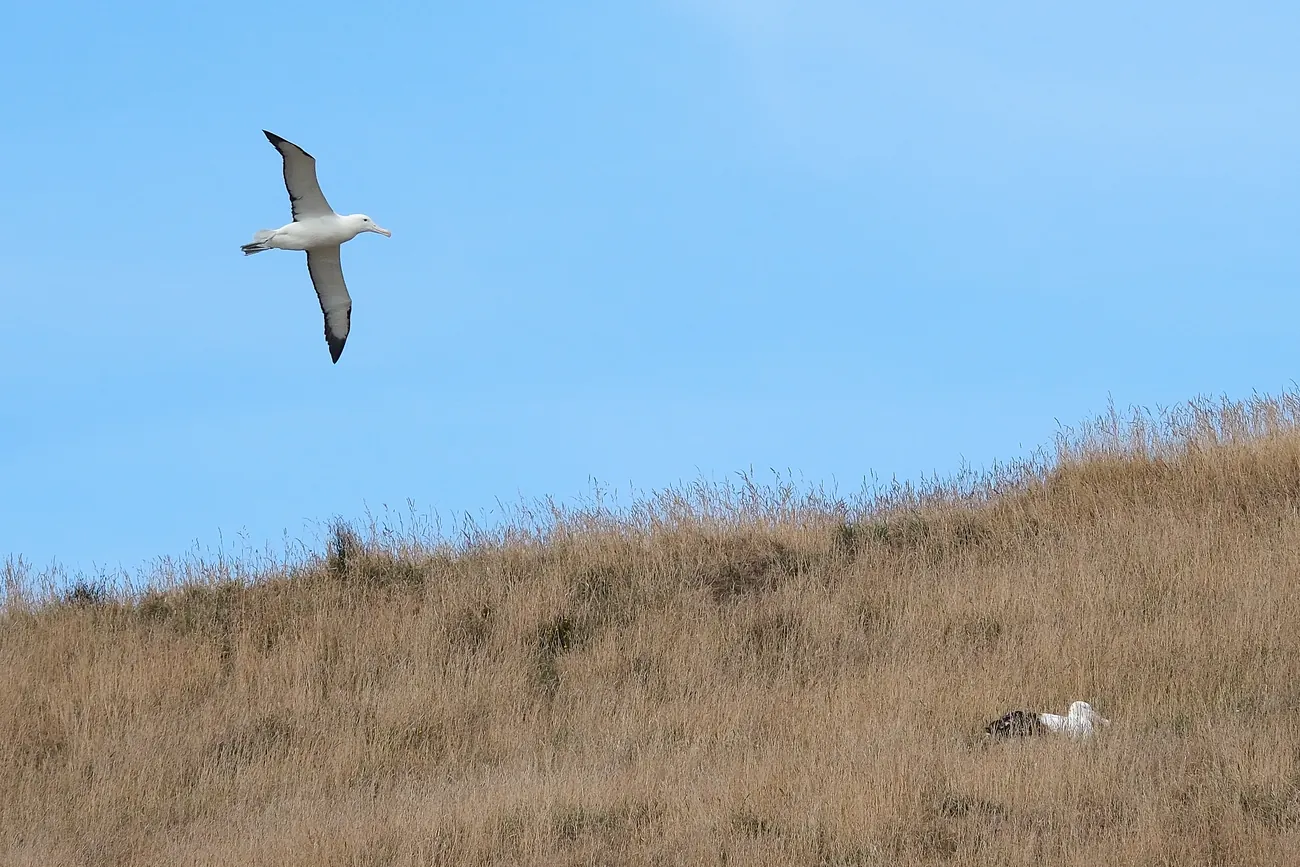
Taiaroa Head · From $71.55
Royal Albatross Centre
Taiaroa Head, Otago Peninsula
The world's only mainland royal albatross colony, viewed from a glassed observatory.
Curio Bay and the Catlins
Further south, Curio Bay in the Catlins has one of the most memorable free penguin spots in the country. DOC’s easy track leads to a viewing platform over a petrified forest around 180 million years old, and yellow-eyed penguins may come ashore across the fossil stumps. DOC lists Hector’s dolphins, fur seals and New Zealand sea lions among the other wildlife you may see.
Stay behind the barriers, keep well back from any penguin on the rock platform and never stand between a bird and the sea. The Catlins is a slow, scenic drive between Dunedin and Invercargill, so plan an overnight stop. Our Catlins guide has the route.
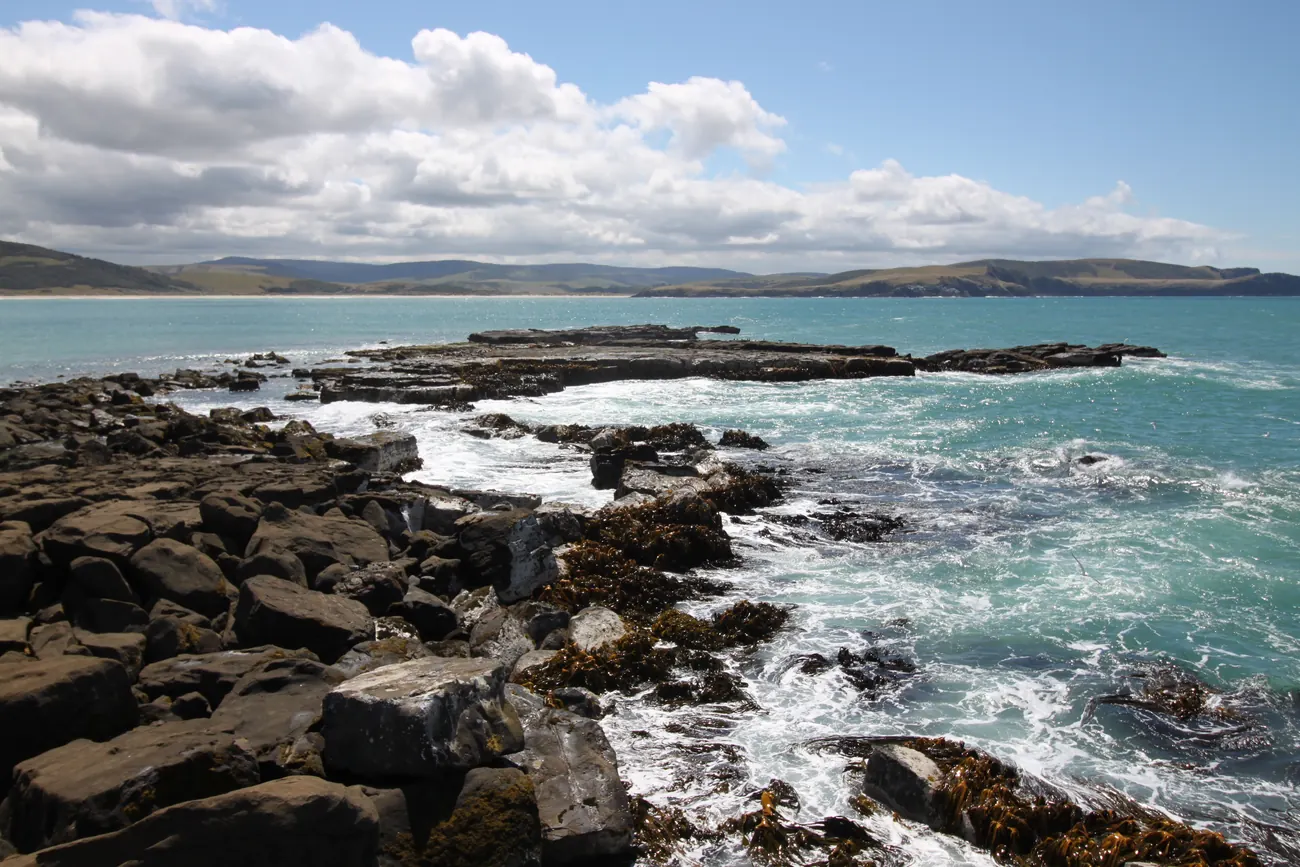
Catlins · Free
Curio Bay petrified forest
Curio Bay, Southland
A free platform over a fossil forest where hoiho cross to their nests.
White-flippered penguins at Pōhatu
On the outer coast of Banks Peninsula, Pōhatu (Flea Bay) is home to mainland New Zealand’s largest colony of white-flippered penguins, Canterbury’s own variant of the little penguin. The Helps family has farmed here since the early 1970s and protected the penguins from introduced predators for more than 30 years.
Pōhatu Penguins runs penguin tours from Akaroa, sea kayak trips in the Pōhatu Marine Reserve, 4WD scenic tours and a farmstay where you can spend a night in the middle of the colony. The guides are conservationists, friends and family. Pair it with a Hector’s dolphin cruise in Akaroa Harbour, covered in our Akaroa guide.
Banks Peninsula · Guided
Pōhatu penguin tour
Pōhatu Bay, outer Banks Peninsula
A guided trip to a white-flippered penguin colony on a working sheep farm.
Fiordland crested penguins at Monro Beach
The tawaki is one of the rarest mainland penguins and the hardest to see. DOC says you can spot them at Monro Beach, near Lake Moeraki about 30 km north of Haast, where a walking track leads through the forest to the beach. The Monro Beach Track takes about 1 hour 20 minutes return. Guided tours run from the Lake Moeraki Wilderness Lodge, and tawaki can also be seen in Milford Sound and at Jackson Bay.
The best time is the breeding season from July to November, and birds sometimes appear during the moult from mid-January to early March. DOC describes tawaki as very timid, so do not approach birds, nests or parts of the beach where penguin tracks are common.
South Westland · Free
Monro Beach Track
Off State Highway 6 near Lake Moeraki
About 1 hour 20 minutes return to a beach where tawaki come ashore.
Penguins in the city, rain or shine
Not heading south, or travelling with small children on a wet day? Two indoor options are guaranteed.
- International Antarctic Centre, Christchurch: next to the airport, this is home to rescued kororā that can’t be released, plus huskies, an Antarctic storm room and Hägglunds rides. General admission is $74 adult and $49 child (5 to 15), under 5s free, and it opens 9am to 4.30pm daily except Christmas Day. Feeding times change from day to day for the penguins’ welfare. Allow 1.5 to 3 hours.
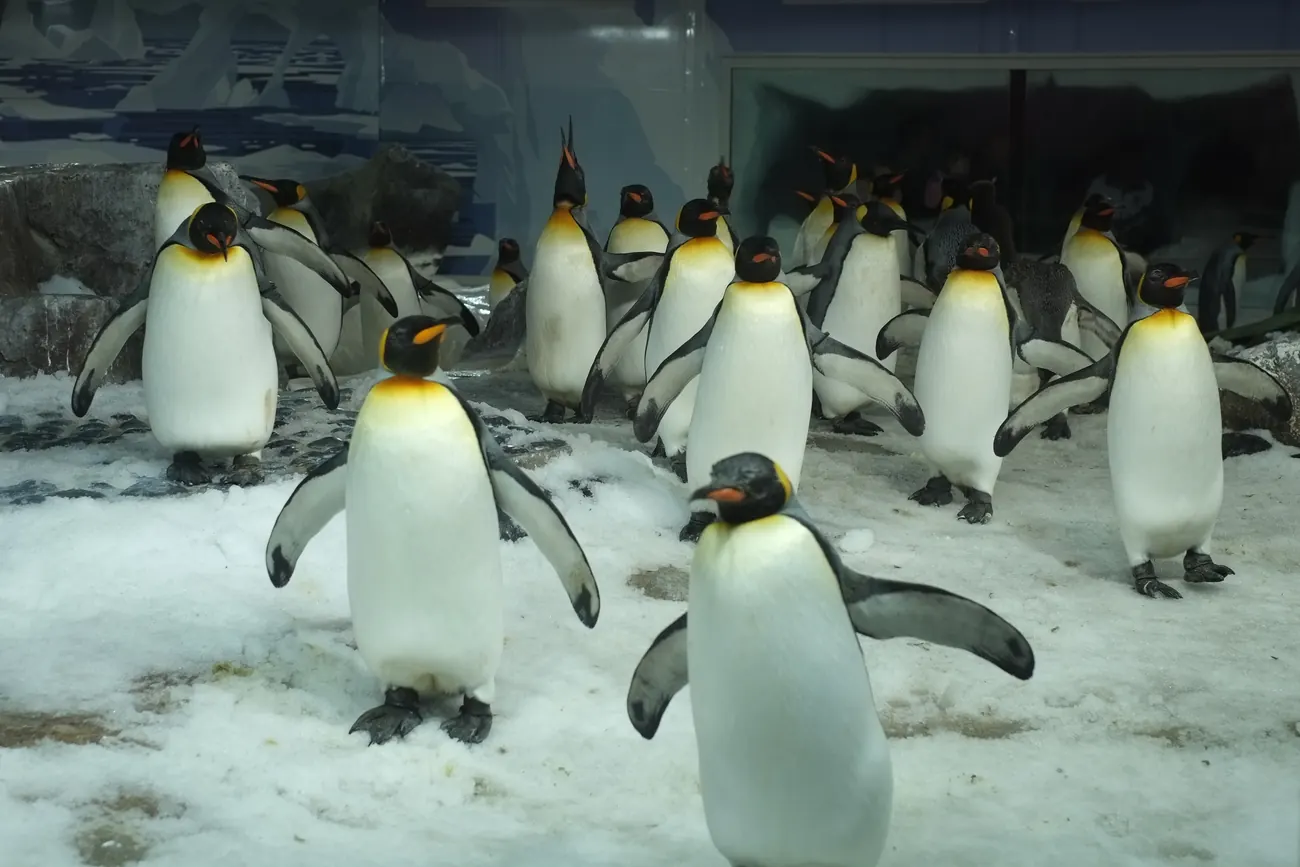
- SEA LIFE Kelly Tarlton’s, Auckland: on Tāmaki Drive, home to a penguin colony on snow along with sharks, rays and turtles. It opens 9.30am to 5pm (last entry 4pm), with online tickets from $34.

Christchurch · $74 adult
International Antarctic Centre
38 Orchard Road, Christchurch Airport
Rescued little penguins indoors, plus huskies and an Antarctic storm.
Auckland · From $34 online
SEA LIFE Kelly Tarlton's
23 Tamaki Drive, Ōrākei
A penguin colony on snow and a shark tunnel on the waterfront.
Tips for watching penguins
- Go at dusk. Most penguins return from the sea around sunset, so plan dinner around them rather than the other way round.
- Rug up. Evenings on the south-east coast are cold, even in summer.
- Leave the camera. At Ōamaru’s evening viewing it is banned, and at wild sites a flash or a crowd can stop a penguin reaching its chick.
- Give them space. Never block a penguin’s path between the sea and its nest, and keep dogs on a leash in penguin areas.
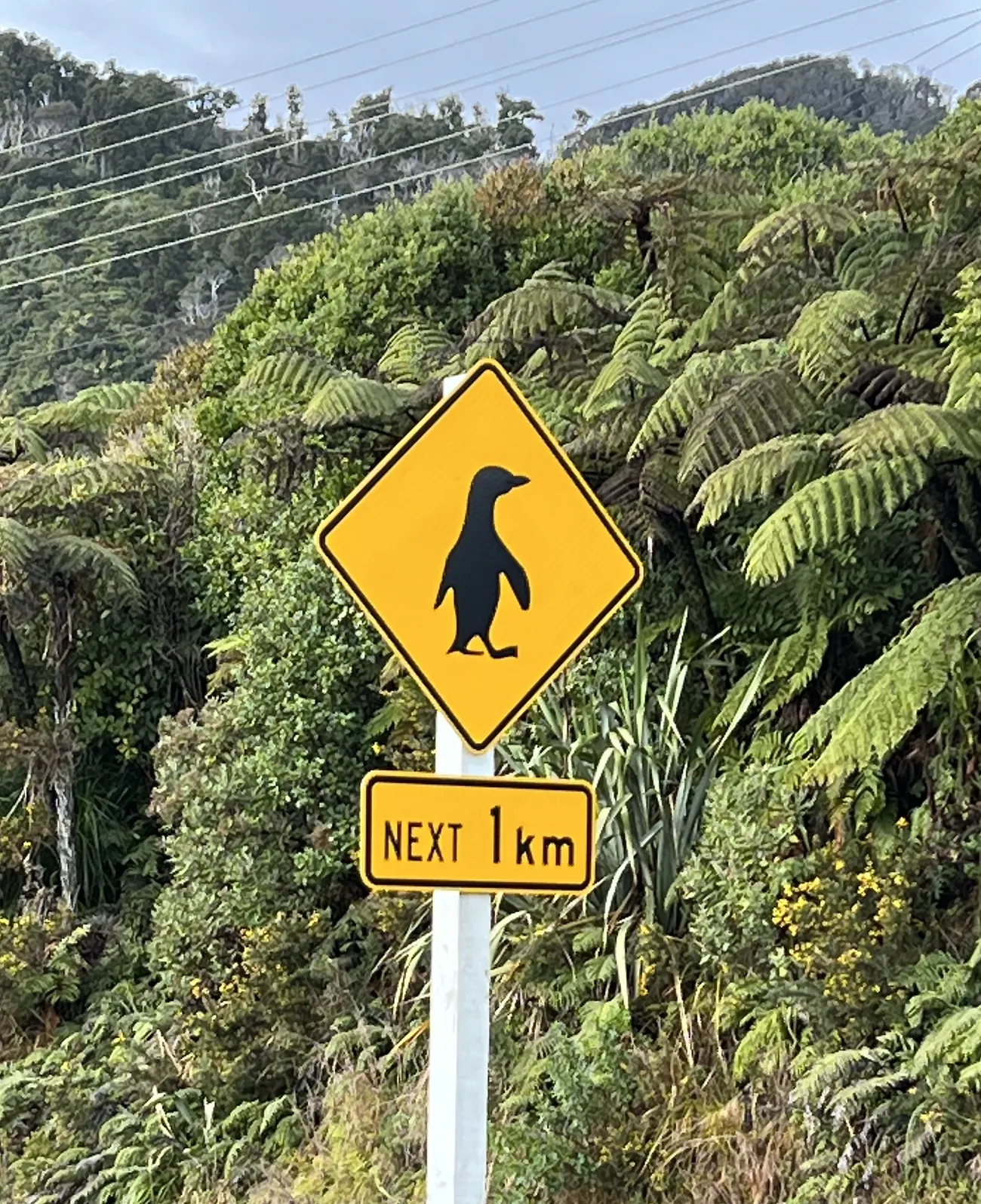
- Drive slowly at dusk. Penguin crossing signs on coastal roads, such as those on Banks Peninsula, are there for a reason.
- Report problems. Moulting penguins often look scruffy and should be left alone, but if a bird is injured or in danger, call DOC on 0800 362 468.
Where to stay
Ōamaru is the natural base for the little penguin colony and Bushy Beach, with heritage stays near the Victorian Precinct; see things to do in Ōamaru. Dunedin puts the Otago Peninsula on your doorstep, and Akaroa suits Pōhatu and the dolphins. For a city stopover, the Antarctic Centre is a few minutes from Christchurch Airport.
Little penguins also come ashore at Caroline Bay; see things to do in Timaru.
FAQ
Where is the best place to see penguins in New Zealand?
When is the best time of year to see penguins?
Can you take photos of the penguins at Ōamaru?
Can you see penguins for free?
How close can you get to wild penguins?
Sources
Last checked 20 November 2026
- Evening viewings · Ōamaru Penguins
- Daytime entry · Ōamaru Penguins
- Plan your visit · Ōamaru Penguins
- Bushy Beach Scenic Reserve · Department of Conservation
- Curio Bay/Porpoise Bay · Department of Conservation
- Yellow-eyed penguin/hoiho · Department of Conservation
- Fiordland crested penguin/tawaki · Department of Conservation
See more sources (5)See fewer
- Monro Beach Track · Department of Conservation
- Wildlife and Penguin Tour · Dunedin NZ
- Pōhatu Penguins · Pōhatu Penguins
- General admission · International Antarctic Centre
- SEA LIFE Kelly Tarlton's · SEA LIFE Kelly Tarlton's