New Zealand has some of the darkest skies on Earth. The Aoraki Mackenzie International Dark Sky Reserve around Lake Tekapo is the world's largest gold tier reserve, where the Dark Sky Project Summit Experience costs $239 (ages 10+, 1 hour 45 minutes) and the Crater Experience costs $139 adult, $99 child. Big Sky Stargazing at Aoraki Mount Cook starts at $165 adult. Closer to the cities, try Space Place in Wellington ($16 adult) or Stardome in Auckland. Prices as at November 2026.
On this page
Key facts
- Dark Sky Project Summit
- $239 adult or child, 1 hour 45 minutes, ages 10+
- Dark Sky Project Crater
- $139 adult, $99 child (5 to 17), 75 minutes
- Big Sky Stargazing, Mount Cook
- From $165 adult, $94 child (8 to 14)
- Space Place, Wellington
- $16 adult, $10 child (4 to 14), family $49
- Stardome, Auckland
- Evening shows $18.50 adult, $15.50 child
- Best conditions
- Clear nights around the new moon
- Checked
- As at November 2026
On a clear night far from the cities, New Zealand’s sky is astonishing. The Milky Way stretches from horizon to horizon, the Large and Small Magellanic Clouds hang like smudges of light, and the Southern Cross sits low over the mountains. With a small population and wide open country, much of the country is still properly dark, and several regions have been recognised as International Dark Sky Places.
Here is where to go, which tours are worth booking and how to make the most of a night under southern skies. Prices are as at November 2026, from each operator’s own site.
Stargazing tours compared
| Tour or venue | Where | Time | Adult price | Minimum age |
|---|---|---|---|---|
| Dark Sky Project Summit Experience | Mount John, Lake Tekapo | 1 hour 45 minutes | $239 | 10 |
| Dark Sky Project Crater Experience | Lake Tekapo | 75 minutes | $139 | 5 |
| Big Sky Stargazing | The Hermitage, Aoraki Mount Cook | 75 to 90 minutes | From $165 | 8 |
| Good Heavens | Aotea Great Barrier Island | Check when booking | $130 | Check when booking |
| Space Place planetarium | Wellington Botanic Garden | Shows through the evening | $16 | All ages |
| Stardome planetarium | One Tree Hill, Auckland | Shows through the day and evening | From $16.50 | All ages |
Lake Tekapo and Mount John
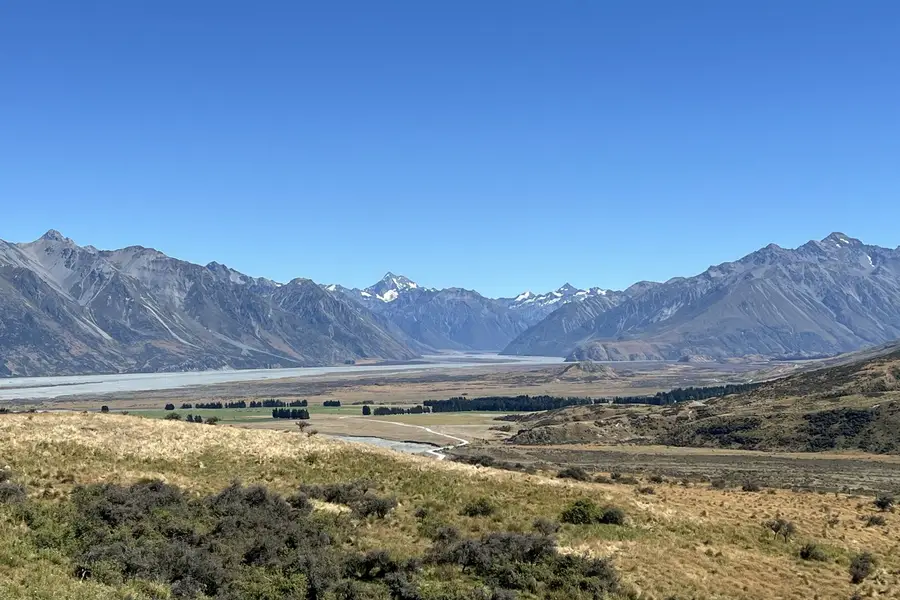
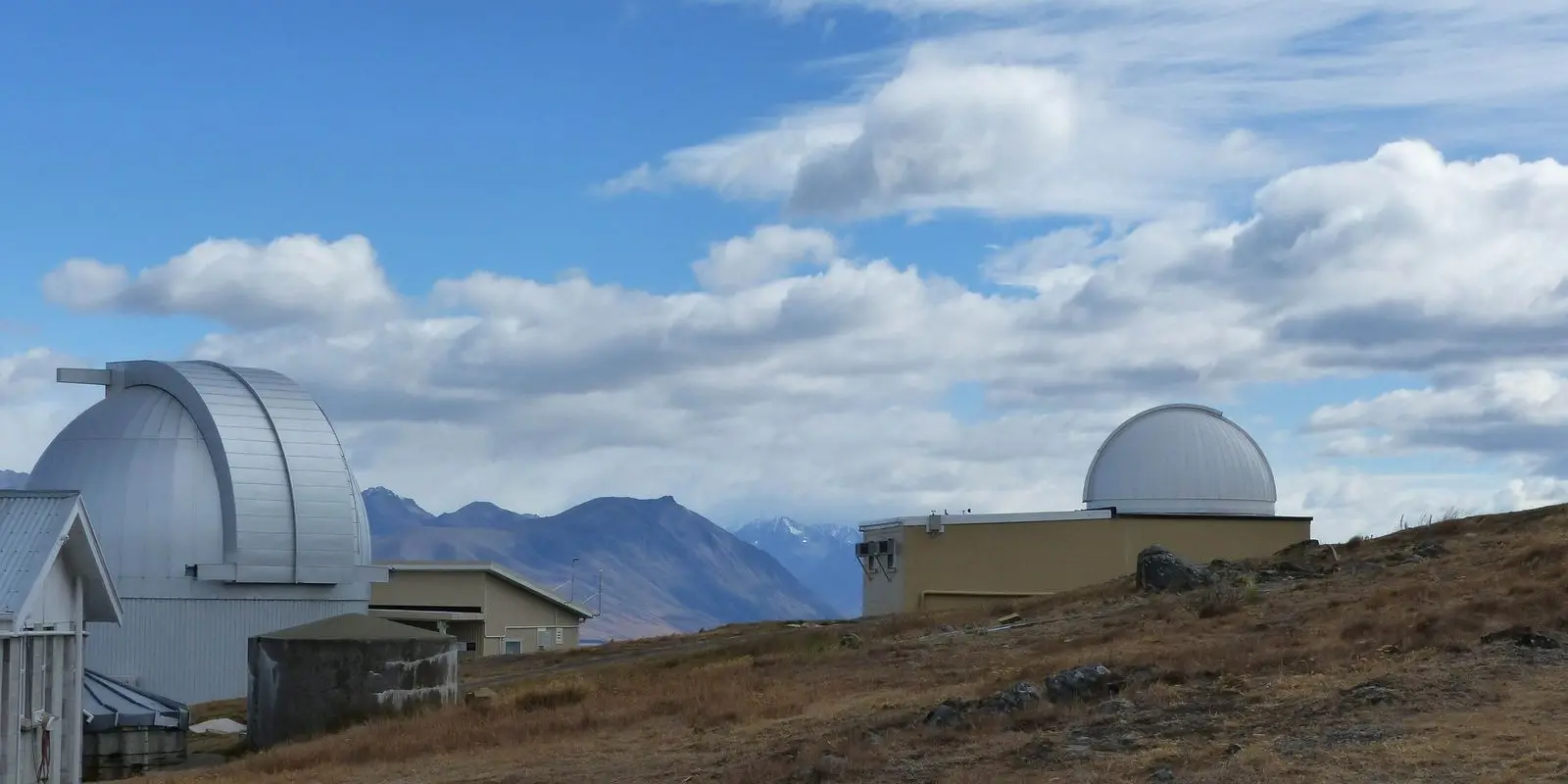
The Aoraki Mackenzie International Dark Sky Reserve covers Lake Tekapo, Twizel and Aoraki Mount Cook National Park, and it is the world’s largest gold tier dark sky reserve. At its heart, the University of Canterbury’s Mount John Observatory sits on the summit above Lake Tekapo and is New Zealand’s largest professional research observatory.
Dark Sky Project runs the tours here from its base at 1 Motuariki Lane on the Tekapo lakefront, with transport included.
- The Summit Experience takes you to the top of Mount John for 1 hour 45 minutes of naked eye stargazing and views through powerful telescopes, including a 16 inch telescope in a private observatory dome. It costs $239 for adults and children alike, and the minimum age is 10. Guides share both Māori and Western knowledge of the stars.
- The Crater Experience takes place at Cowan’s Private Observatory, in purpose built observation craters designed to shelter you from wind and light, with handheld lasers, 14 inch telescopes and an observatory dome. It runs for 75 minutes and costs $139 adult, $99 child (5 to 17) and $377 for a family.
Tour times move with sunset through the year. If cloud or wind stops outdoor viewing, Dark Sky Project invites you to its indoor Virtual Stargazing Experience, or you can reschedule, take a voucher or ask for a refund. For everything else around the lake, from the Church of the Good Shepherd to the hot pools, see the Lake Tekapo guide.
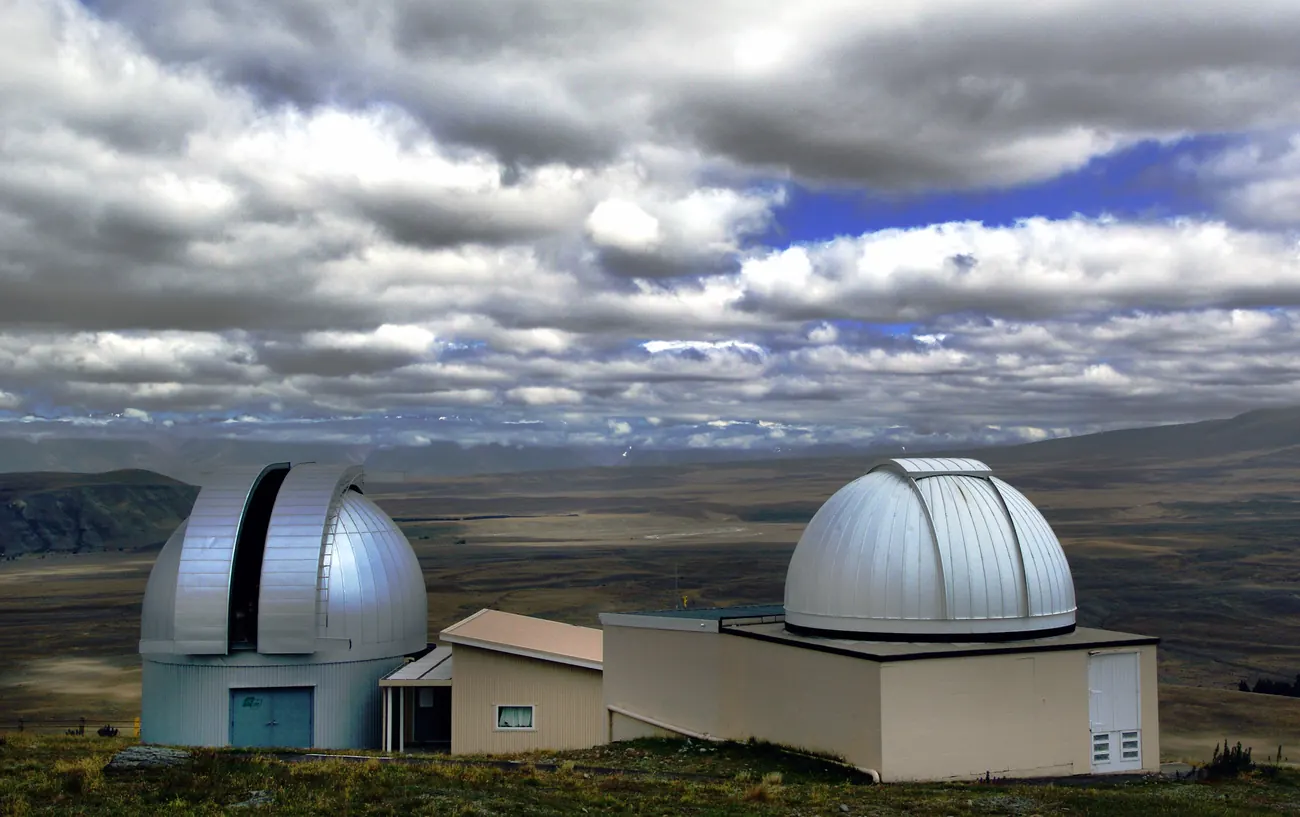
Lake Tekapo · Ages 10+
Dark Sky Project Summit Experience
Mount John summit, Lake Tekapo
Telescopes at New Zealand's largest research observatory. $239, 1 hour 45 minutes.
Aoraki Mount Cook
About an hour’s drive from Tekapo, Aoraki Mount Cook National Park sits inside the same reserve, with crisp alpine air and very little light. Big Sky Stargazing at The Hermitage Hotel is the only stargazing tour in the national park. Guides use telescopes outside under the alpine sky, and the Hermitage also has its own planetarium. If the tour is cancelled for weather, guests receive a 45 minute planetarium show and a 75% refund. Prices start at $165 adult and $94 child (8 to 14), and the experience takes about 75 to 90 minutes. Tours currently start late, at around 10.30pm and 12.30am in early summer, so plan an evening nap.
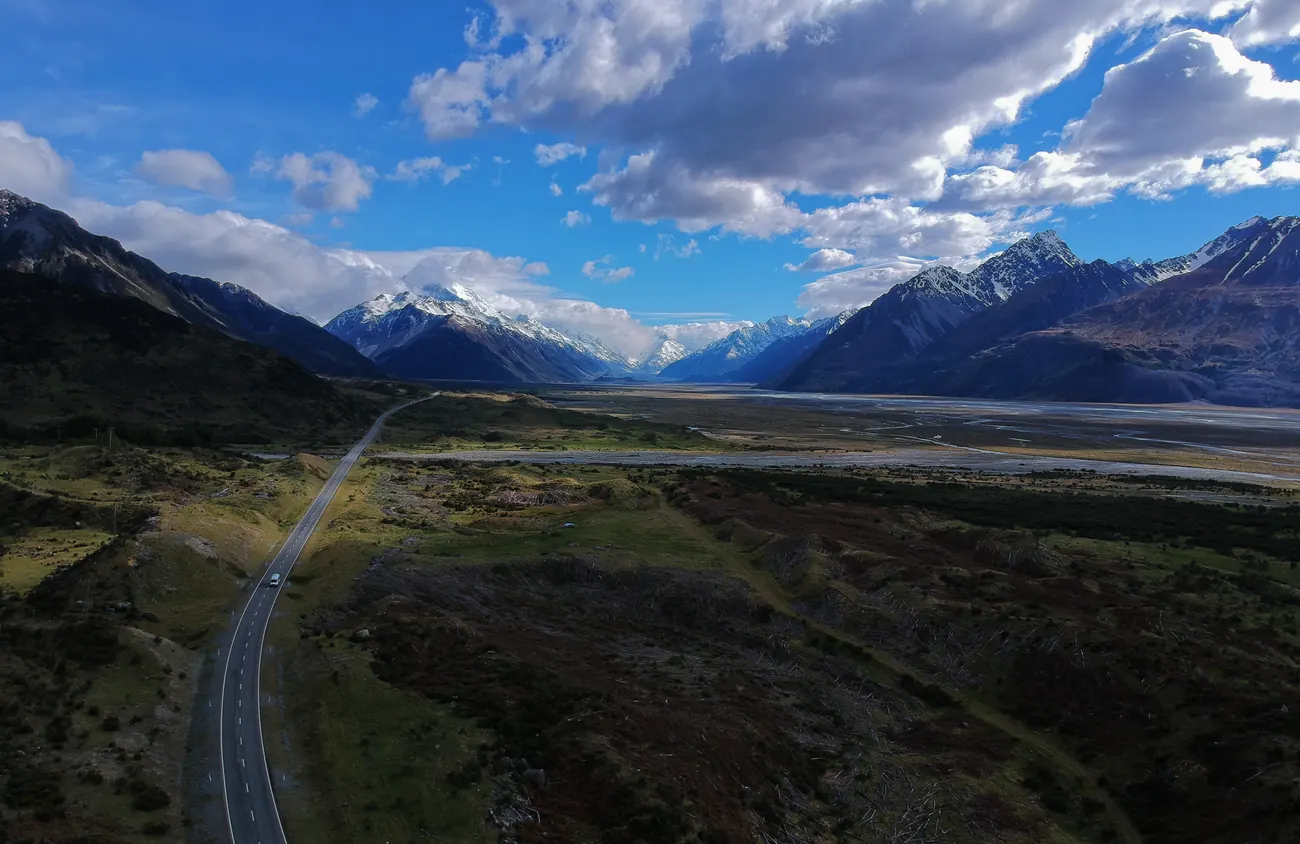
Aoraki Mount Cook · Ages 8+
Big Sky Stargazing
The Hermitage Hotel, Aoraki Mount Cook Village
Planetarium show then telescopes outside. From $165 adult, $94 child.
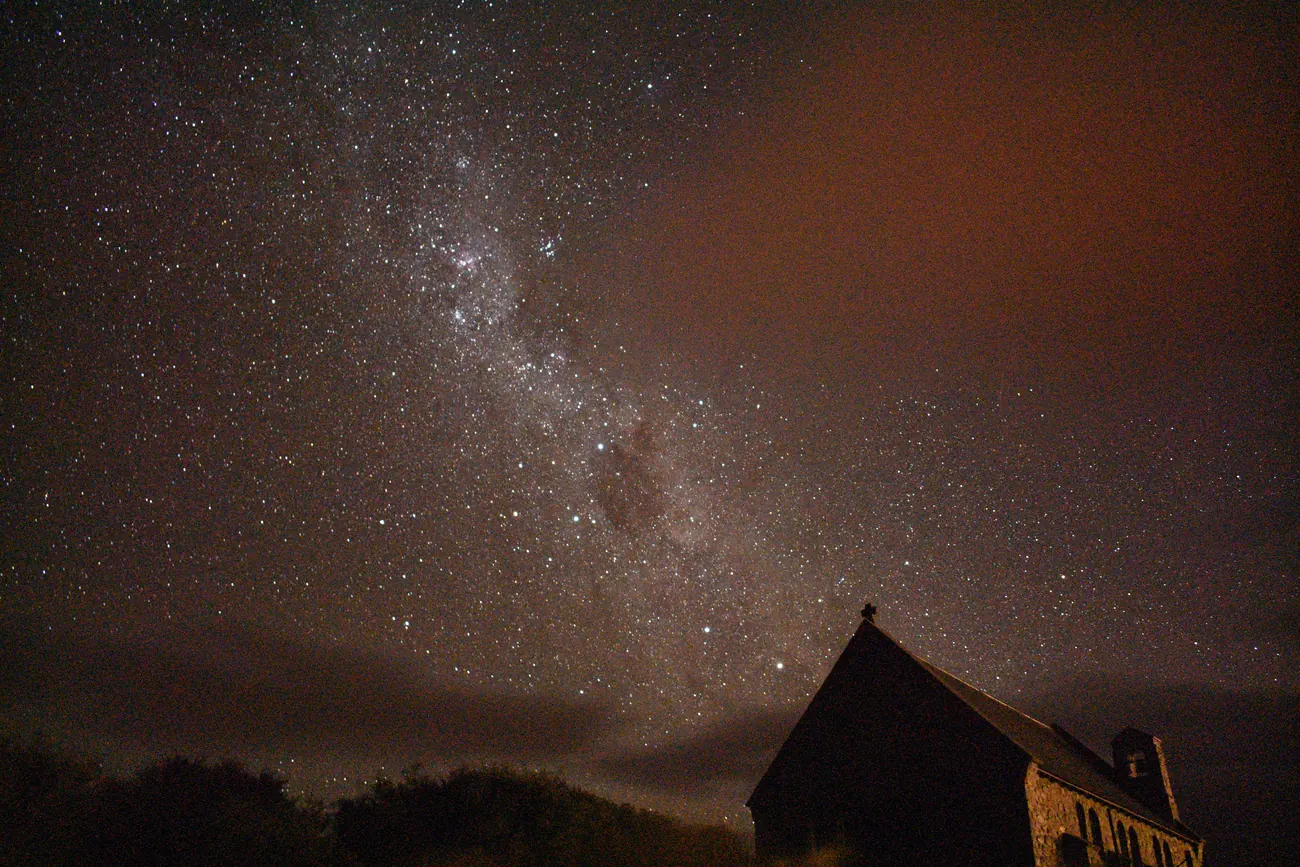
Mackenzie Basin · Free
Stargazing on your own
Lake Tekapo, Twizel and the Mackenzie Basin
Pull over somewhere safe away from town lights on a clear, moonless night.
Aotea Great Barrier Island
Out in the Hauraki Gulf, Aotea Great Barrier Island has no mains power grid and very few lights, and it is recognised as an International Dark Sky Sanctuary. Good Heavens runs guided stargazing on the island, with prices from $130 adult and $65 child (8 to 12). Getting there means a ferry from Auckland or a short flight, so it works best as an overnight stay.
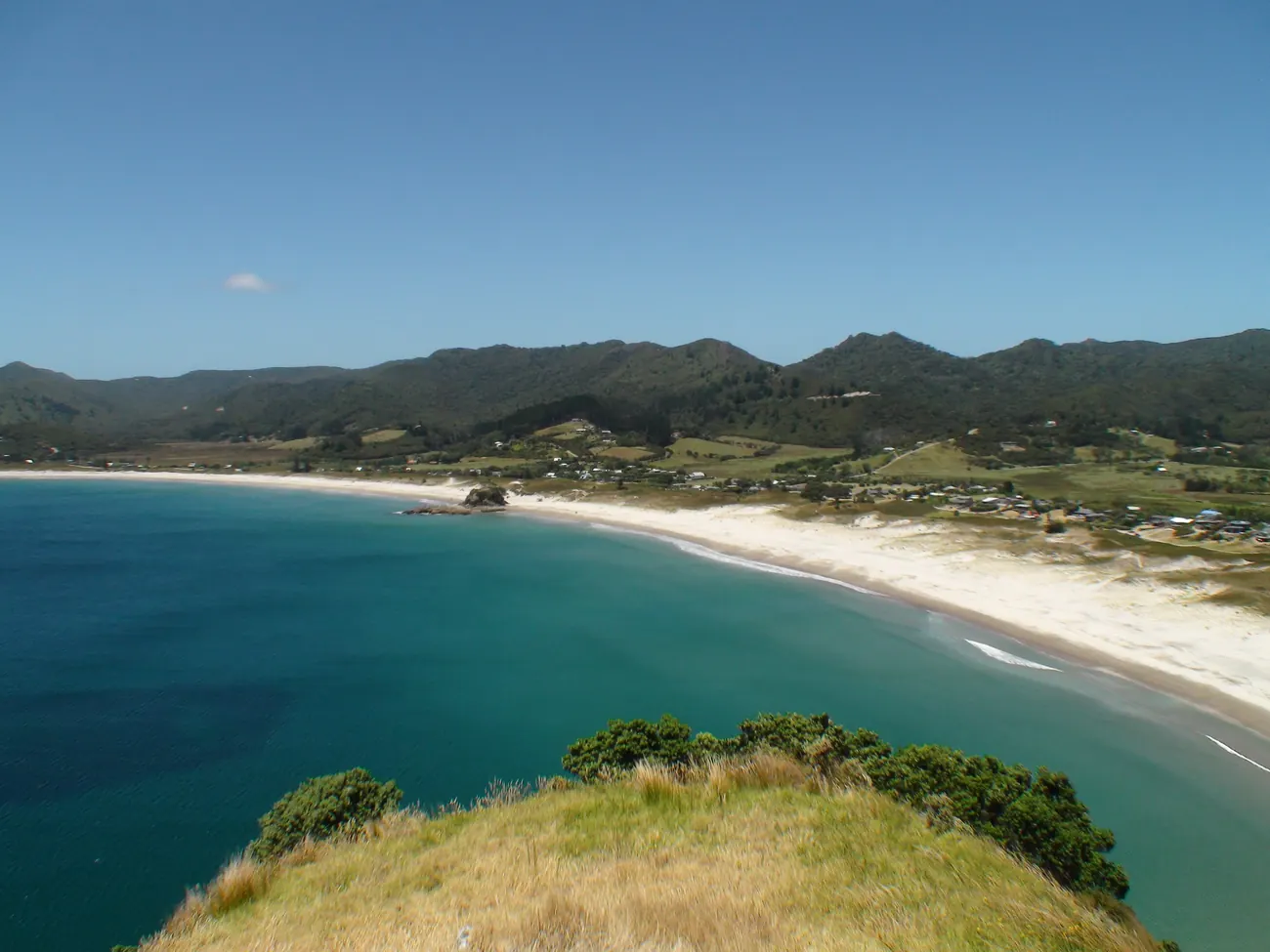
Hauraki Gulf · Overnight
Good Heavens
Aotea Great Barrier Island
Guided stargazing on a dark sky sanctuary island. From $130 adult, $65 child.
Wairarapa and the far south
The Wairarapa became an International Dark Sky Reserve in January 2023, covering 3,665 km² about an hour and a half from Wellington. Small operators such as Under The Stars run private sessions with telescopes from $235 for two people, and the Wairarapa wine towns make a good base.
At the bottom of the country, Rakiura Stewart Island is an International Dark Sky Sanctuary, and with luck you may see the aurora australis from its shores on a clear winter night. Nothing is guaranteed, but the long, dark nights in the far south give you the best chance.
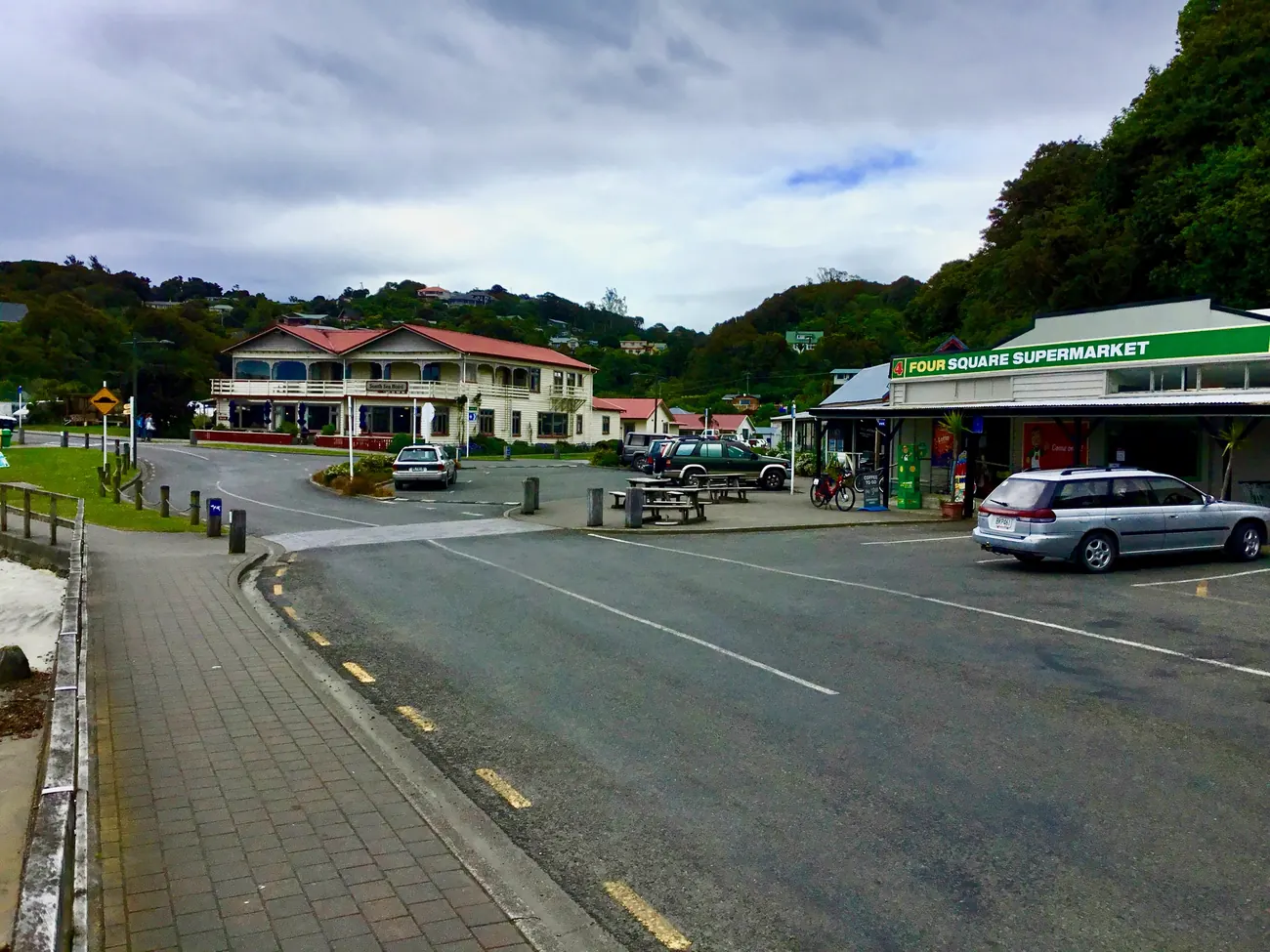
Far south · Southern Lights
Rakiura Stewart Island
Oban, Stewart Island
A dark sky sanctuary with the best odds in the country for the aurora australis.
City planetariums for rainy nights and kids
You do not need to leave the city to learn the sky. In Wellington, Space Place at the top of the Botanic Garden (40 Salamanca Road, near the top of the Cable Car) has planetarium shows and telescope viewing on clear nights. Entry is $16 adult, $10 child (4 to 14) and $49 family. In term time it is closed on Mondays, opens 5pm to 10.30pm on Tuesdays and Wednesdays, 10am to 10.30pm on Thursdays, 10am to 11pm on Fridays and Saturdays, and 10am to 5pm on Sundays, with daily hours in the school holidays. The last planetarium show starts at 8pm.
In Auckland, Stardome at 670 Manukau Road sits in the One Tree Hill Domain, with daytime planetarium shows at $16.50 adult and $13.50 child, and evening shows at $18.50 adult and $15.50 child.
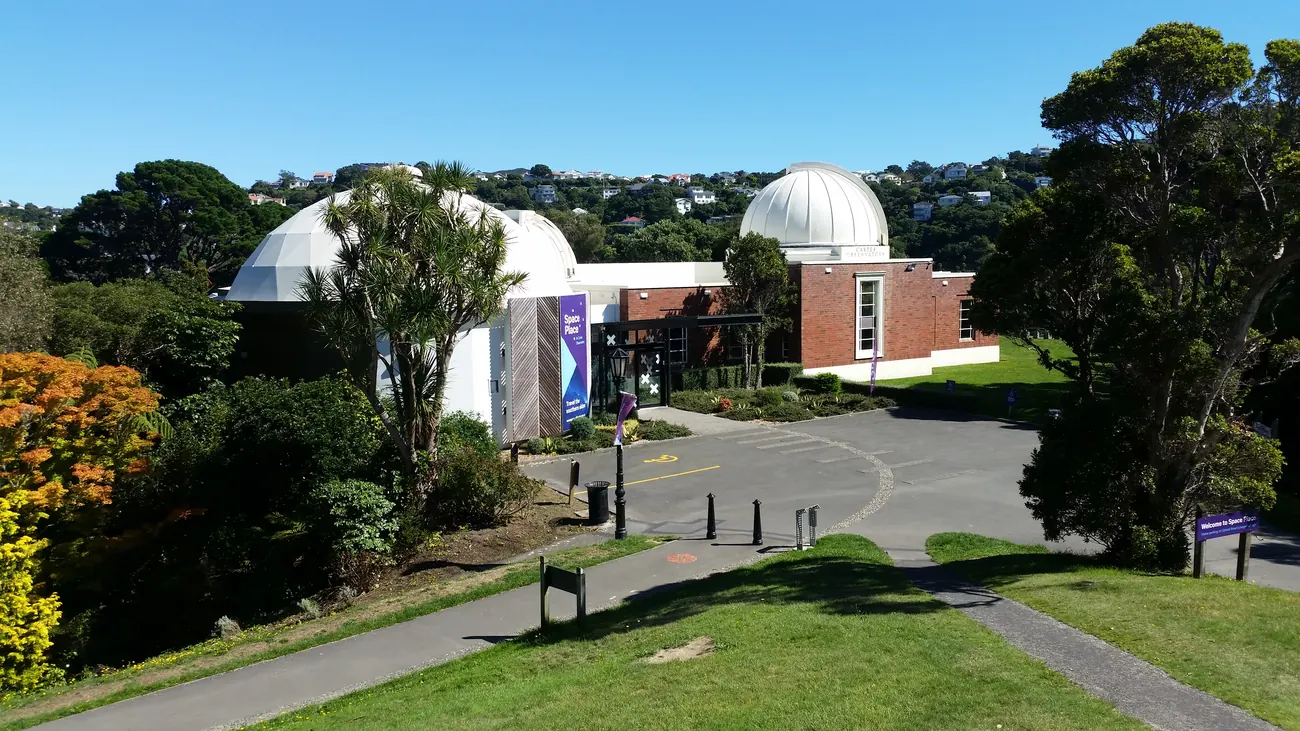
Wellington · All ages
Space Place
40 Salamanca Road, Wellington
Planetarium shows and telescope nights. $16 adult, $10 child, $49 family.
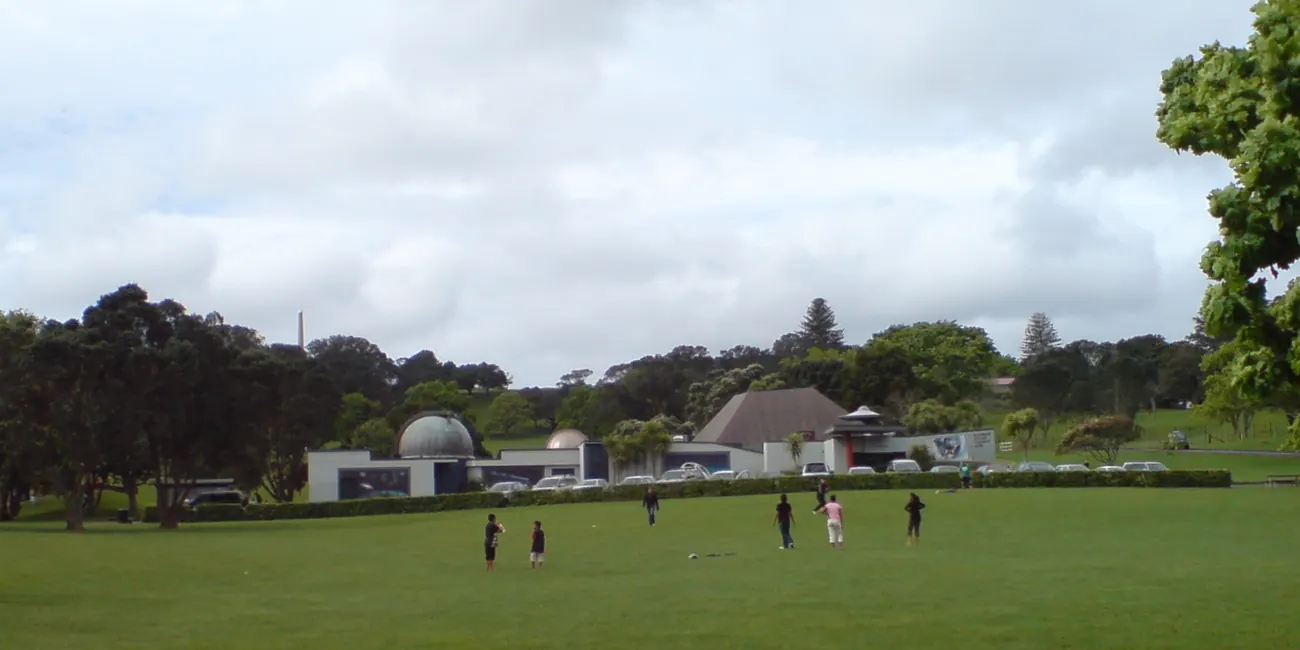
Auckland · All ages
Stardome
670 Manukau Road, Epsom
Planetarium shows day and evening, from $16.50 adult.
What you can see from New Zealand
The southern sky holds sights you simply cannot see from Europe or most of North America. The Southern Cross and its two bright pointer stars are easy to find once a guide shows you. The Large and Small Magellanic Clouds, two small galaxies orbiting our own, look like faint patches of cloud that never move. In winter, the bright centre of the Milky Way passes almost overhead, close enough to make out dark dust lanes with the naked eye.
Through a telescope, guides often pick out planets such as Saturn and Jupiter, star clusters, the Jewel Box and the glowing Carina Nebula, depending on the season. Matariki, the cluster many people know as the Pleiades, rises before dawn in midwinter and marks the Māori New Year, now a public holiday.
When to go
- Moon phase matters most. The darkest skies come in the week either side of the new moon.
- Winter nights are longest. From May to August you can start stargazing early in the evening, and the core of the Milky Way rides high overhead.
- Summer nights are short. In December and January it is not fully dark until well after 10pm in the south.
- Check the cloud forecast. Outdoor tours depend on clear skies, and each operator has its own bad weather policy (see below).
Tips for a great night
- Dress for winter, even in summer. Mount John and Mount Cook are cold after dark, so bring a warm jacket, hat and gloves.
- Use red light only. White torches and phone screens ruin night vision. Turn your screen brightness right down.
- Give your eyes time. It takes about 20 minutes to adjust fully to the dark.
- Bring binoculars. Even a basic pair shows star clusters and the craters of the Moon.
- Drive carefully. Never stop on a highway to look up. Use lay bys and car parks away from traffic.
Where to stay
Lake Tekapo is the best base for a stargazing trip, with the Dark Sky Project base on the lakefront and Mount Cook an hour away.
For more in the Mackenzie, see the Lake Tekapo guide and Mount Cook Village guide.
FAQ
Where is the best stargazing in New Zealand?
How much is a stargazing tour at Lake Tekapo?
Can you see the Southern Lights in New Zealand?
When is the best time to go stargazing?
Is there stargazing for kids in New Zealand?
Sources
Last checked 18 November 2026
- The Summit Experience · Dark Sky Project
- Crater Experience · Dark Sky Project
- Big Sky Stargazing · The Hermitage Hotel
- Space Place · Museums Wellington
- Space Place opening hours · Museums Wellington
- Visit · Stardome Observatory and Planetarium
- Good Heavens · Good Heavens