Rotorua is the best place in New Zealand to experience Māori culture. By day, Te Puia ($105 Te Rā guided tour, 90 minutes) and Whakarewarewa Living Māori Village ($58 adult tour, plus a $37 cultural performance at 12.30pm) share the same geothermal valley and Pōhutu Geyser. In the evening, Mitai ($188.34 adult, 3 hours) and Te Pā Tū ($290 adult, 3.5 hours) serve hāngī dinners with haka in native forest. Prices as at November 2026.
On this page
Key facts
- Te Puia Te Rā guided tour
- $105 adult, 90 minutes, includes Pōhutu Geyser
- Whakarewarewa village tour
- $58 adult, $29 child (5 to 15), 1 hour
- Whakarewarewa performance
- 12.30pm daily, 30 minutes, $37 adult, $20 child
- Mitai evening
- $188.34 adult (14+), $115.74 child (4 to 13), 3 hours
- Te Pā Tū Tū Te Rā
- $290 adult, $125 child, 3.5 hours, October to April
- Rotorua Museum
- Closed for earthquake strengthening
- Checked
- As at November 2026
Rotorua is the heartland of the Te Arawa people, and it has been welcoming visitors to its geothermal valleys for well over a century. That long history means the city has the widest choice of Māori cultural experiences in New Zealand, from guided walks through living villages to evening feasts cooked in earth ovens, with haka, song and storytelling in native forest.
The four big names each offer something different. Two are daytime experiences in the Whakarewarewa valley, and two are evening hāngī dinners on the edge of town. Prices and times are as at November 2026, from each operator’s own site.
Rotorua cultural experiences compared
| Experience | When | Time | Adult price | Includes dinner |
|---|---|---|---|---|
| Te Puia Te Rā guided tour | Daytime, hourly | 90 minutes | $105 | No |
| Whakarewarewa village tour | Daytime, 9am to 3pm | 1 hour | $58 | No |
| Whakarewarewa cultural performance | 12.30pm daily | 30 minutes | $37 | No |
| Te Puia Te Pō | From 5.30pm | Evening | $203 | Yes, hāngī buffet |
| Mitai | Evening | 3 hours | $188.34 | Yes, hāngī buffet |
| Te Pā Tū Tū Te Rā | Evening, October to April | 3.5 hours | $290 | Yes, three courses |
Te Puia
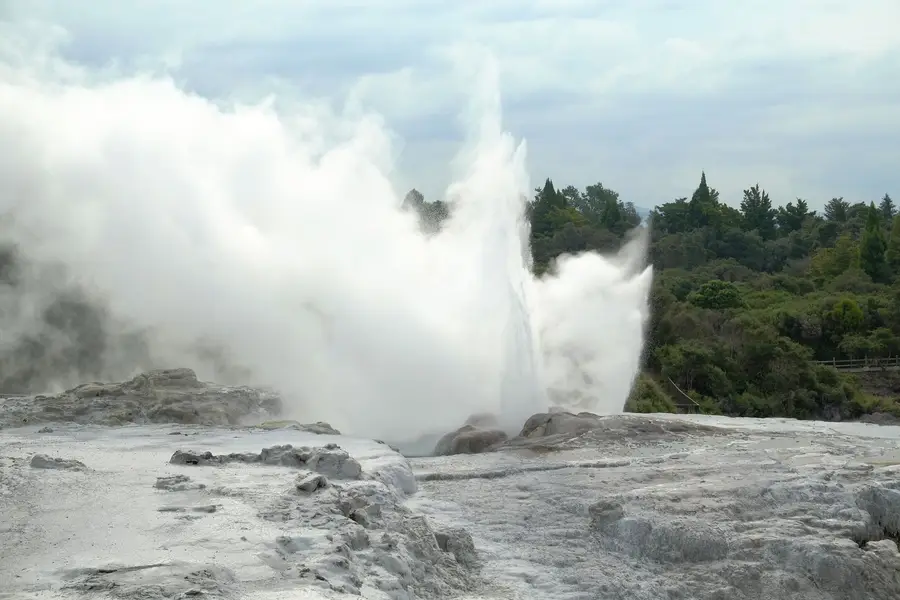
Te Puia sits in the Te Whakarewarewa geothermal valley on Hemo Road, about five minutes’ drive south of the city centre. It is home to Pōhutu, the largest active geyser in the Southern Hemisphere, the New Zealand Māori Arts and Crafts Institute, where you can watch carvers and weavers at work, and a kiwi conservation centre.
Entry is by guided experience only, and Te Puia is cashless. The Te Rā guided tour costs $105 for adults, takes 90 minutes and leaves hourly between 9am and 3pm (except 10am). The Te Rā + Haka option adds a cultural performance for a two hour visit. Check in 15 minutes before your tour.
In the evening, Te Pō ($203) serves a hāngī buffet with haka from 5.30pm, and the Te Pō Combo ($290) starts at 4pm with a guided afternoon experience before dinner. Mārama: Geyser Light Trail ($49) is a hosted night walk through the lit up valley.
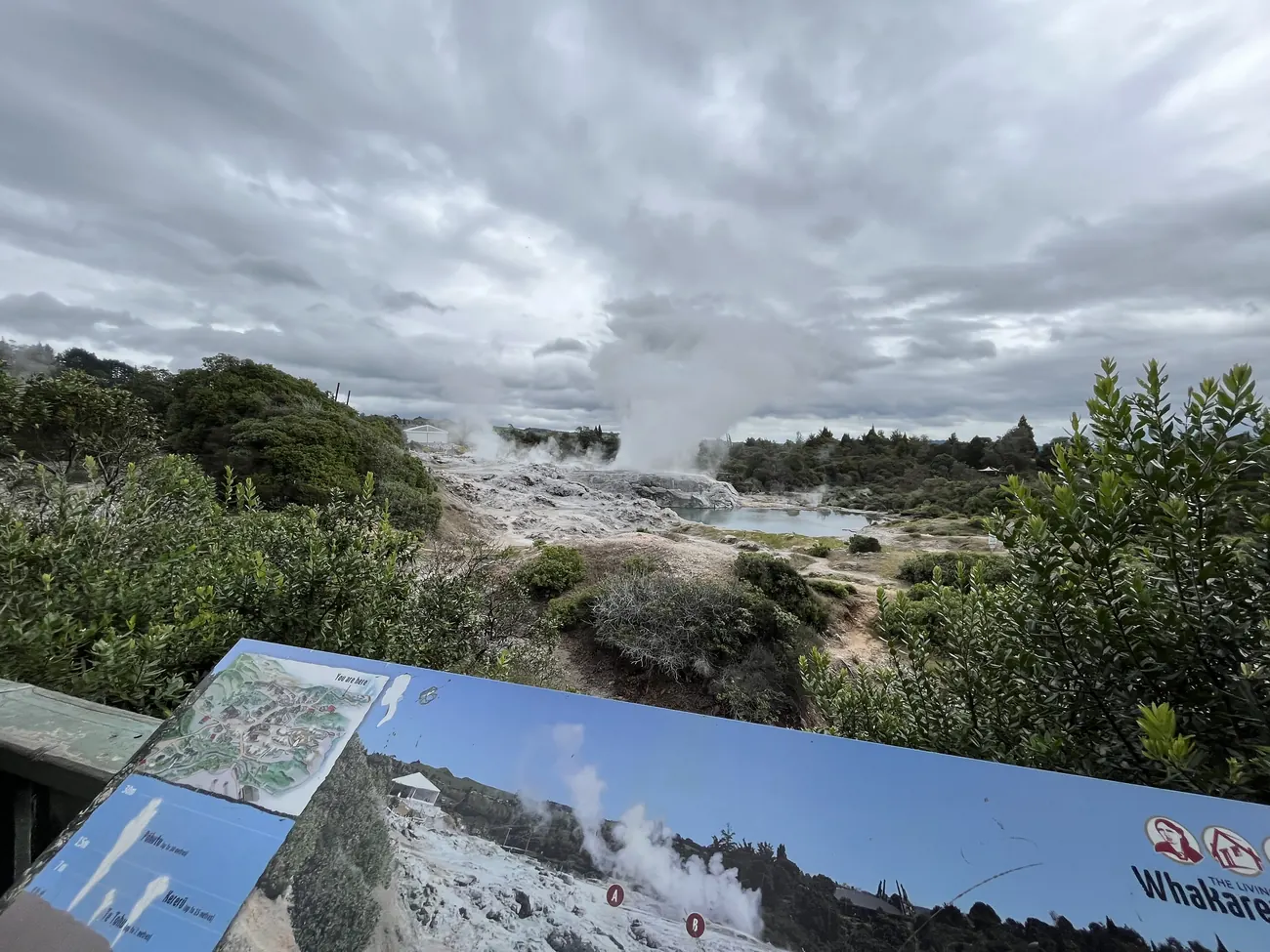
Daytime · Geysers
Te Puia
Hemo Road, Rotorua
Pōhutu Geyser, carving and weaving, and kiwi. Te Rā guided tour $105 adult, 90 minutes.
Whakarewarewa Living Māori Village
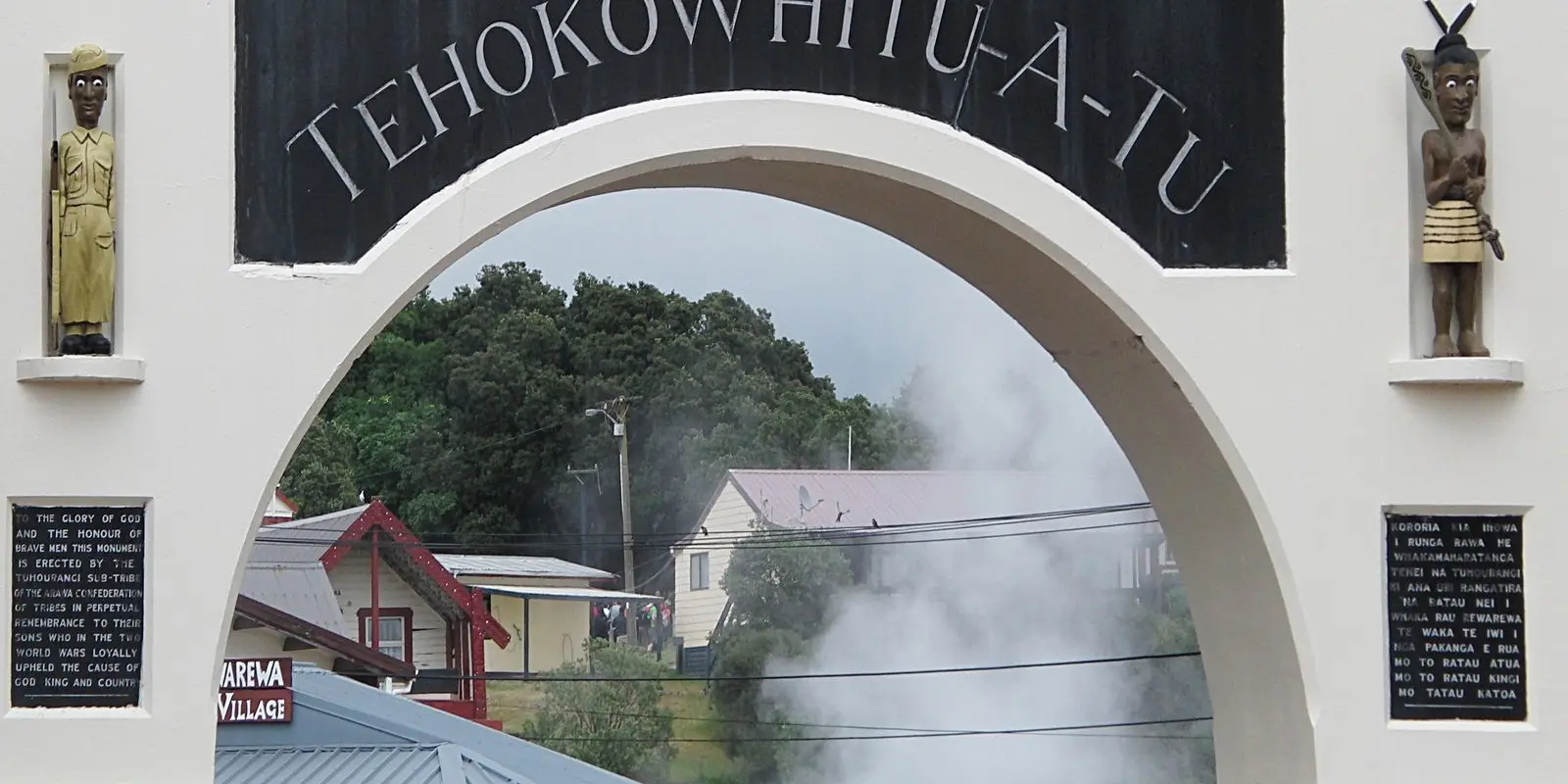
On the other side of the same valley, Whakarewarewa is a real, working village where the Tūhourangi Ngāti Wāhiao people have welcomed visitors for more than 300 years. Families still live here, cooking food in the natural steam vents and bathing in geothermal pools, and the guides are village residents who talk about their own homes and history.
The Whakarewarewa Legacy guided tour takes about an hour and costs $58 adult, $29 child (5 to 15) and $156.60 for a family. Tours run between 9am and 3pm, with admissions from 8.30am to 3.30pm. The cultural performance at 12.30pm daily lasts 30 minutes and costs $37 adult and $20 child. Highlights include views of Pōhutu Geyser from the village and tasting corn cooked in the largest hot pool. After the tour, take as long as you like on the self-guided geothermal trails past steaming lakes, mud pools and mānuka bush (the trails do not reach the geyser itself).
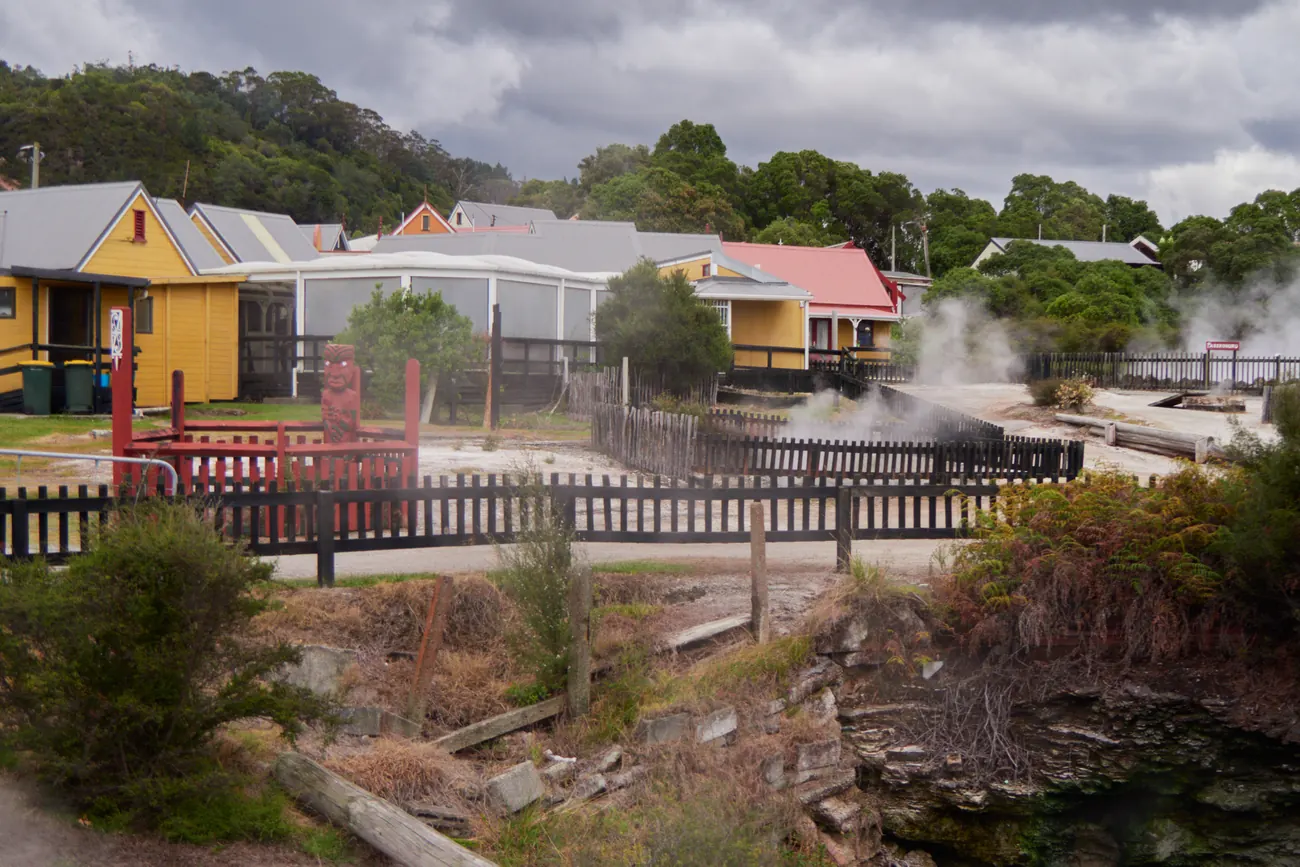
Daytime · Village life
Whakarewarewa Living Māori Village
17 Tryon Street, Whakarewarewa
A guided tour by village residents. $58 adult, $29 child, performance at 12.30pm.
Mitai
Mitai at 196 Fairy Springs Road is one of Rotorua’s best loved evening experiences. The night opens with warriors paddling a traditional war canoe down the Wai-o-Whiro stream, followed by haka and performing arts, a hāngī buffet cooked in an earth oven, and a guided walk through native bush to the old village site, the sacred spring Te Puna Tapu a Tuhoe and banks lit by glowworms.
The evening takes three hours. Adults (14 and over) cost $188.34, children aged 4 to 13 cost $115.74, and children 3 and under are free. Free parking is on site, and limited complimentary transfers run from selected Rotorua accommodation if you request pickup when booking. Bring comfortable shoes and a jacket for the bush walk. Mitai specialises in hāngī, so some dietary needs, including vegan, cannot be catered for.
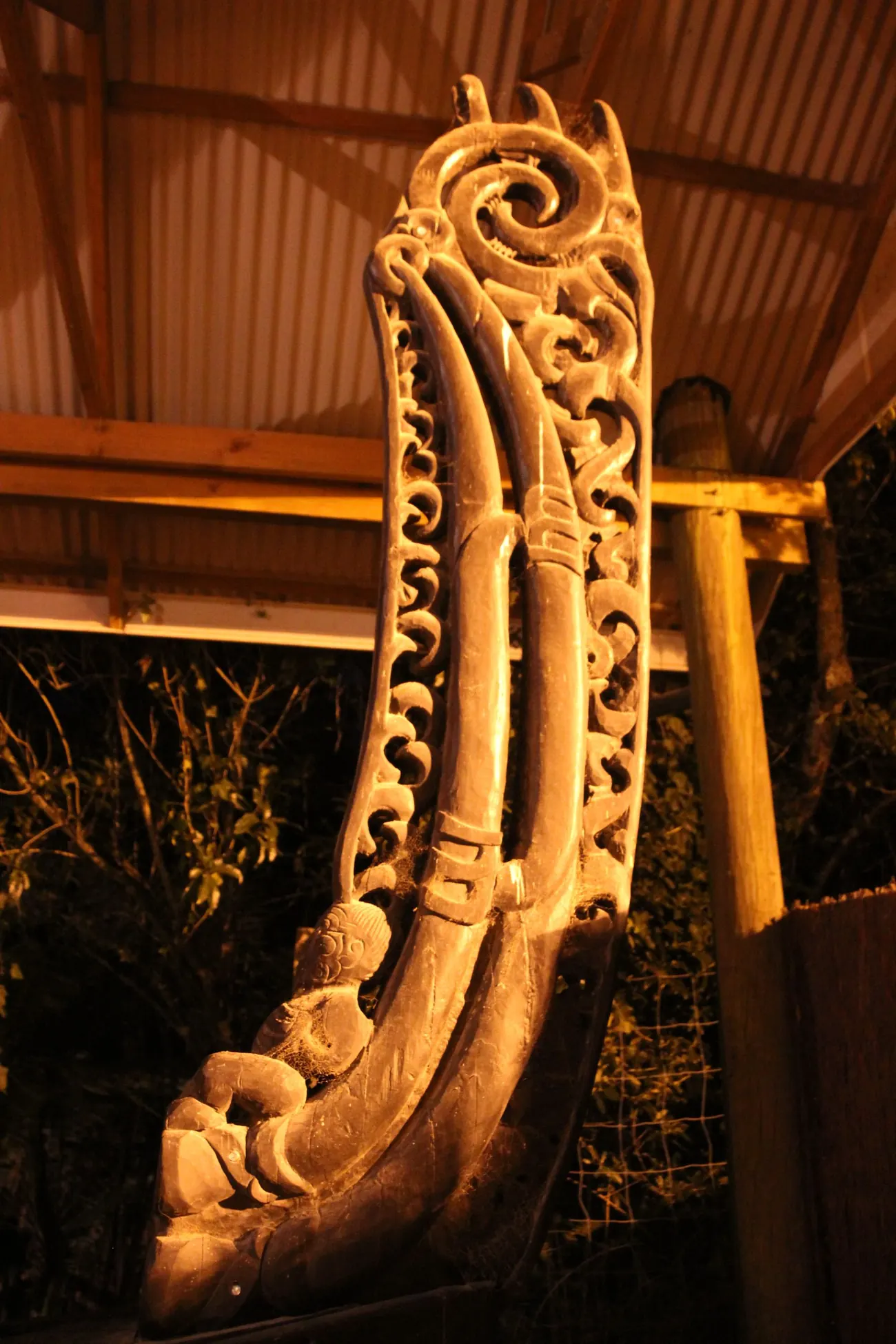
Evening · All ages
Mitai Cultural Experience
196 Fairy Springs Road, Rotorua
Waka, haka, hāngī buffet and a glowworm bush walk. $188.34 adult, 3 hours.
Te Pā Tū
Te Pā Tū is the most refined of the evening experiences, set in a tawa forest a short drive from the city. Its summer evening, Tū Te Rā, runs from October to April and lasts 3.5 hours. It includes return transport from central Rotorua, a welcome ceremony, haka and song in a forest amphitheatre, canapés by the bonfires, the lifting of the hāngī and a spit roast, and a seasonal three-course dinner that blends traditional and modern Māori cooking.
Admission is $290 adult and $125 child. In winter the menu and story change for the Tū Te Ihi Matariki celebration. Te Pā Tū is the old Tamaki Māori Village, rebuilt and relaunched, so if you have seen that name in older travel guides, this is the same forest.
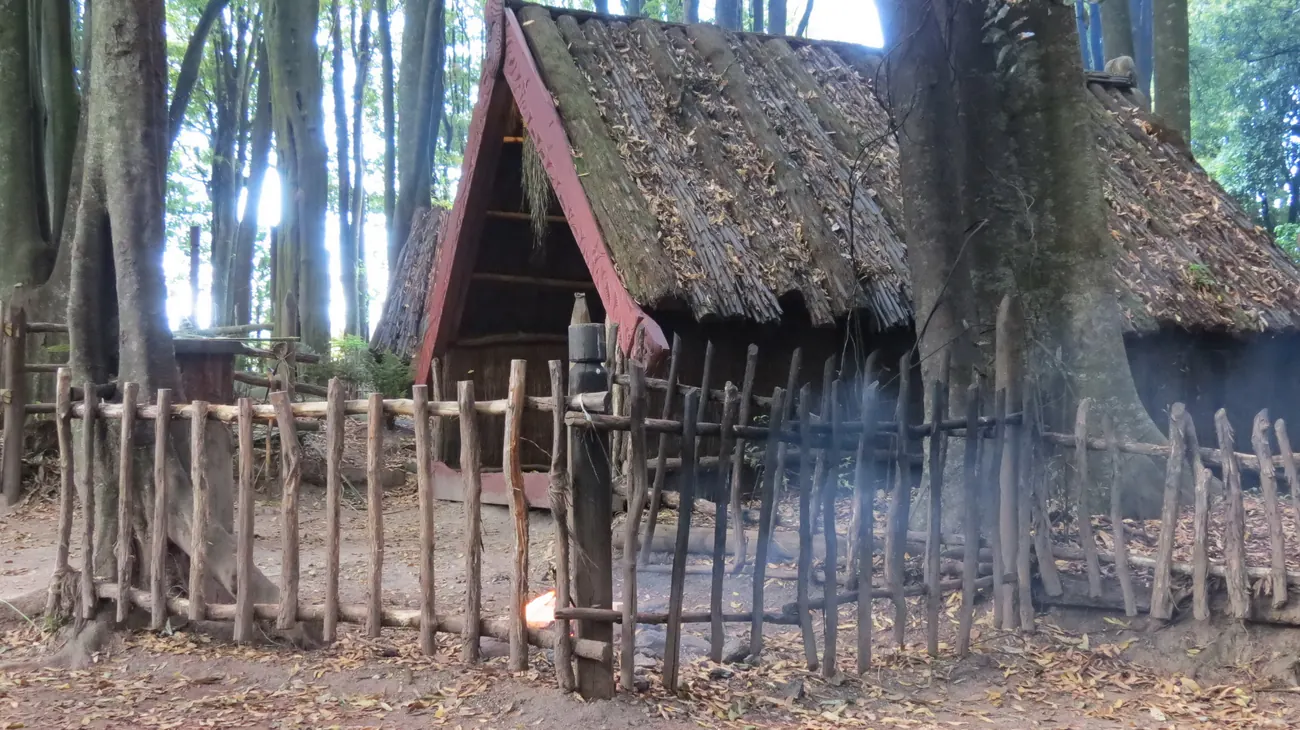
Evening · Three courses
Te Pā Tū
Transport from central Rotorua
A 3.5 hour summer feast with haka, song and a three-course dinner. $290 adult, $125 child.
What to expect at a hāngī evening
A hāngī is food cooked in an earth oven. Baskets of meat, chicken and vegetables such as kūmara are set on hot stones in a pit, covered and left to steam for hours, which gives everything a soft, smoky, earthy flavour. At most evening experiences you will watch the hāngī being lifted from the ground before it is served.
Evenings usually begin with a formal welcome. One person from each group may be asked to act as the group’s chief, and the hosts will explain what to do, so there is nothing to prepare beyond arriving on time. After the welcome come songs, stories and haka, the powerful posture dance that many visitors know from rugby, often with a chance to try it yourself. Dinner follows, then an outdoor walk or a quiet finish under the stars.
Expect to be out for three to four hours including transport. Children are welcome, but younger ones may be tired by the end.
Ōhinemutu and the lakefront
For a free look at Te Arawa history, walk to Ōhinemutu, the lakefront village beside the city centre. St Faith’s Anglican Church is famous for its carved and woven interior and a window etched with a Māori Christ figure who appears to walk on Lake Rotorua. Be respectful: this is a living community, and the meeting house and grounds are not tourist attractions.
Nearby in Government Gardens, the Tudor style Bath House that holds Rotorua Museum is closed for earthquake strengthening, with works expected to be finished between 2027 and 2028. The gardens and building exterior are still worth a stroll.
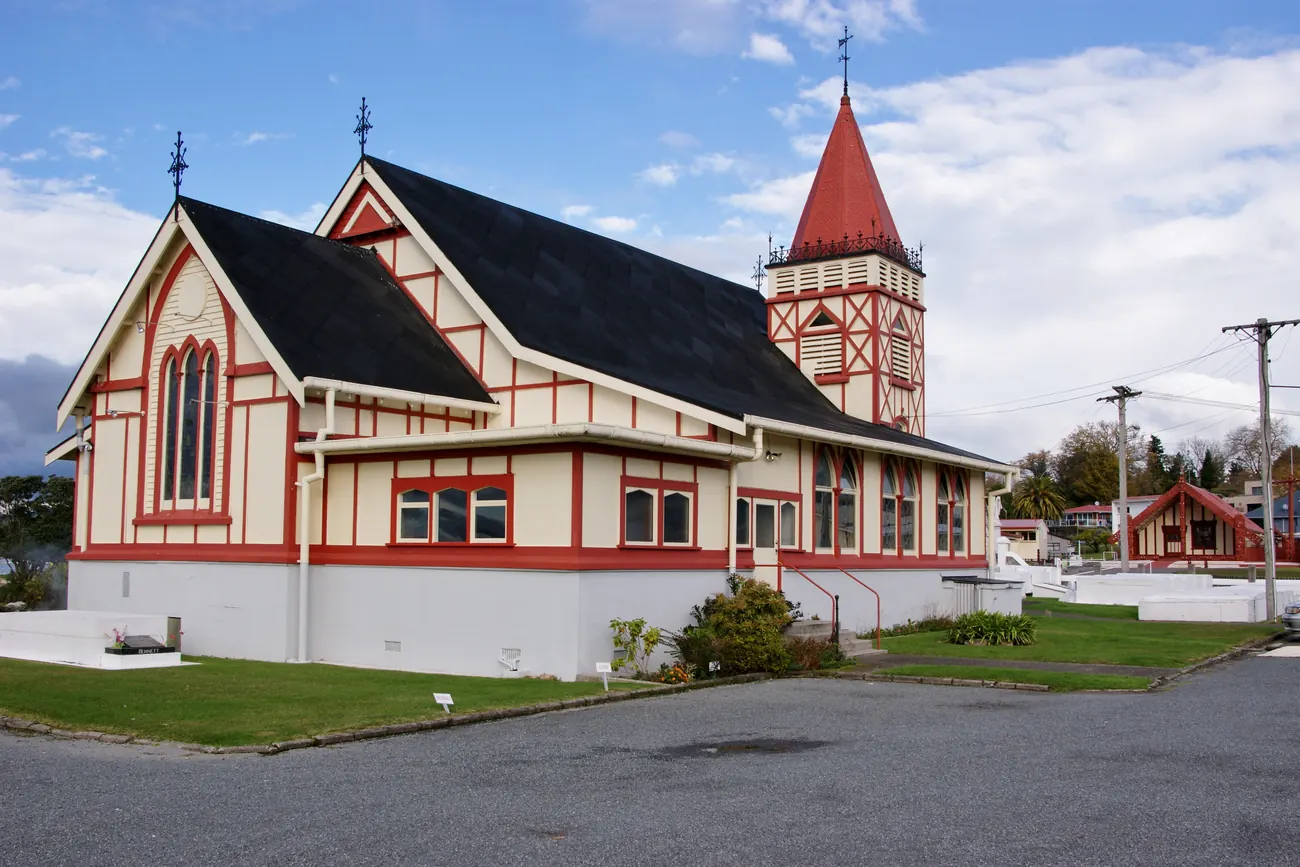
Free · Lakefront
St Faith's Church, Ōhinemutu
Memorial Drive, Ōhinemutu
A carved and woven church interior beside the lake. Visit quietly and respectfully.
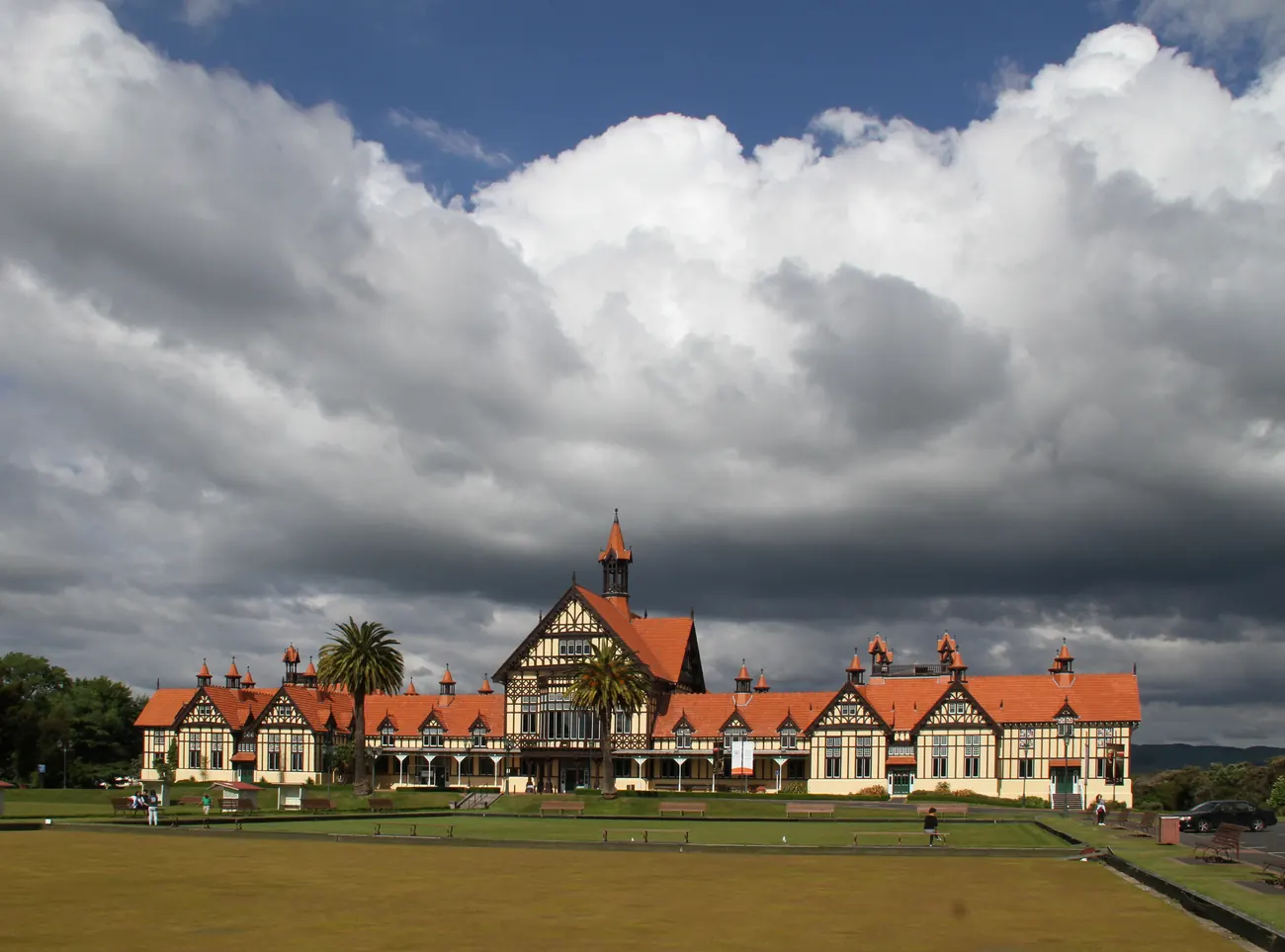
Free to walk past · Gardens
Government Gardens and the Bath House
Oruawhata Drive, Rotorua
The museum is closed for strengthening, but the gardens and building are lovely to walk around.
Which experience should you choose?
- For geysers and craft: Te Puia, especially if you want to see Pōhutu and the carving school.
- For real village life: Whakarewarewa, where the guides live in the village.
- For a family evening: Mitai, with child prices, free under 4s and a glowworm walk.
- For a special night out: Te Pā Tū’s three-course forest feast.
- On a budget: Whakarewarewa’s performance and tour together, or a free walk around Ōhinemutu.
Practical tips
- Book evenings ahead. Hāngī dinners sell out in school holidays and summer weekends.
- Tell operators about dietary needs when booking. Hāngī menus have limited options.
- Dress for the weather. Mitai’s bush walk and Te Pā Tū’s forest setting are outdoors.
- Check transport. Te Pā Tū includes transfers from central Rotorua, and Mitai has limited pickups.
- Join in respectfully. Follow your hosts’ lead during welcomes, and ask before photographing people.
- Pair it with a geothermal park. Add Wai-O-Tapu or a hot pool soak for a full Rotorua day.
Where to stay
Central Rotorua and the lakefront put you within a short drive of every experience here, and close to the free Ōhinemutu walk. Fairy Springs Road is handy for Mitai and the Skyline gondola.
For more ideas, see things to do in Rotorua, Rotorua with kids and rainy day things to do in Rotorua.
FAQ
What is the best Māori cultural experience in Rotorua?
What is the difference between Te Puia and Whakarewarewa?
How much is a hāngī dinner in Rotorua?
Are Rotorua cultural shows good for kids?
Is Rotorua Museum open?
Sources
Last checked 18 November 2026
- Experiences · Te Puia
- Night experiences · Te Puia
- The Whakarewarewa Legacy guided tour · Whakarewarewa Living Māori Village
- Cultural performance · Whakarewarewa Living Māori Village
- Mitai Cultural Experience · Mitai
- Tū Te Rā Summer Harvest Celebration · Te Pā Tū
- Rotorua Museum · Rotorua Museum