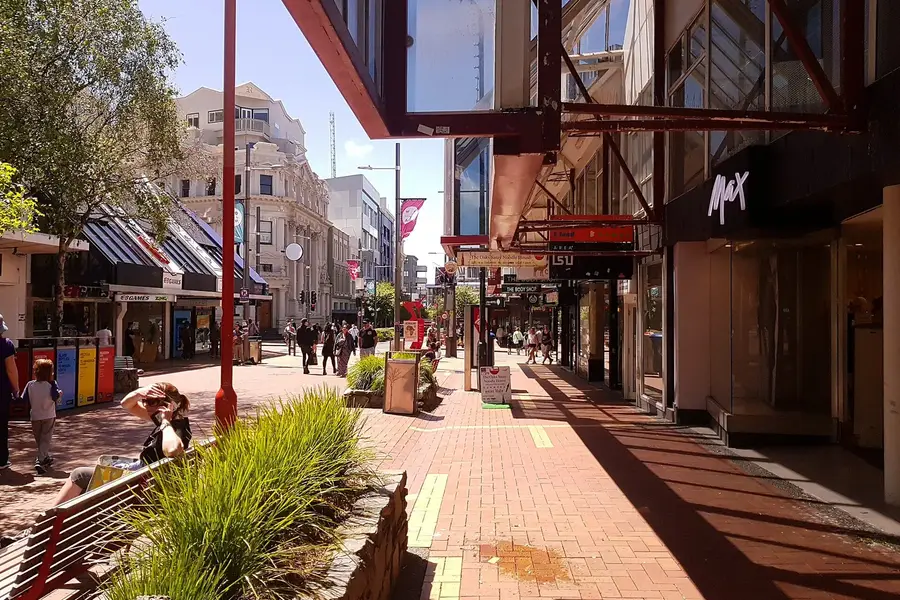
For a stay of a few weeks, a holiday let, serviced apartment or hostel private room can be enough, if the wifi is real. For longer, you may be looking at a residential tenancy. A short fixed-term tenancy is 90 days or less and must be agreed in writing to end on the expiry date. A standard general bond can be up to 4 weeks' rent and should be lodged with Tenancy Services. Do not sign a lease that lasts longer than your visa. Checked as at November 2026.
On this page
Key facts
- Short fixed-term tenancy
- 90 days or less, ends on the agreed expiry date
- General bond maximum
- 4 weeks' rent, lodged with Tenancy Services
- National median rent
- $595 a week, private bonds, August 2026 starts
- Visa first
- A tenancy cannot extend your visitor permission
- Ask about fibre
- Confirm the connection before you pay a month
- Checked
- As at November 2026
Finding a place to sleep in New Zealand is easy. Finding a place you can work from for a month, without signing yourself into a lease that outlasts your visa, takes a little more care.
This guide is for people staying weeks or months while working remotely for an overseas employer. It covers official tenancy types, bonds and the practical difference between a holiday let and a residential rental. City-specific neighbourhoods live in our where to stay guides and the cities comparison. Rents sit in the cost guide. All figures are as at November 2026.
Match the stay to the visa, not the other way around
Your visitor visa or NZeTA decides how long you may remain. A tenancy agreement does not extend that. If you are granted three months, do not sign a six-month fixed term and hope it will work itself out.
Build a first base for the period you are sure about. You can always book a second stay later, in the same city or another one. The digital nomad overview is the place to keep that sequence straight: visa first, then a roof, then the nice parts.
If a landlord asks for proof of funds or a copy of your visa, that is a reasonable request, not a special obstacle unique to New Zealand. Bring those documents to any viewing, along with a local New Zealand contact number if you already have one from a local SIM or eSIM.
Short stays: holiday lets, serviced apartments and hostels
For two to six weeks, many visitors never enter a formal residential tenancy. They use a holiday home, a serviced apartment, a motel unit with a kitchen, or a hostel private room.
That can be the right call, especially on a first visit, because you can leave when the booking ends. The catches are price, wifi, and the legal wrapper. A nightly or weekly holiday rate is often higher than a median long-term rent. Some of these stays are not ordinary tenancies, so you should not assume you have the same rights as a tenant on a standard agreement. Tenancy Services publishes guidance on who tenancy law does not protect and on renting out a holiday home. Read the contract you are offered.
Ask, in writing, about fibre or other internet, a desk or a table you can actually work at, and heating. New Zealand houses can be colder inside than the postcard suggests. Our unique stays and hostels guides are useful for character and for private rooms, including some weekly hostel rates, but they are not a substitute for a wifi test.
Insider tip: book a cancellable first week in the city you land in, walk the area, test the neighbourhood at work hours, then commit to a longer stay. Changing after seven nights is cheaper than abandoning a month that looks pretty and sounds hollow on a Zoom call.
Short fixed-term tenancies, 90 days or less
If you want a proper residential rental for up to three months, Tenancy Services describes a short fixed-term tenancy: a fixed-term rental agreement of 90 days or less.
The landlord and tenant must agree in writing before the tenancy begins that it will end on the expiry date and that it will not go beyond 90 days. No further notice is needed to end it. It ends on that date. It cannot be used as a trial period.
Tenancy Services also notes that a short fixed-term can suit owners who want to rent a holiday home for part of the year and then have it back, because the tenancy ends on the expiry date. That official use-case is a good fit for some visitor stays too, if both sides want a clean end date.
Use the official short fixed-term agreement if that is the product you are entering, and do not let a casual message thread replace it.
Standard fixed-term and periodic tenancies
For stays longer than 90 days, or when a landlord does not use the short fixed-term product, you may be offered a standard fixed-term or periodic tenancy. Tenancy Services explains both on its types of tenancies pages.
A longer fixed term can look cheaper per week, and it can also lock you in past your visa or past the date you wanted to move to the South Island. Read the ending and assignment rules before you sign. If you need to leave early, you may still have obligations. That is a reason to keep the term honest, not a reason to avoid official agreements altogether.
A periodic tenancy has official notice periods. It can suit an open-ended stay, which most visitors do not have. Again, match the product to the visa.
Flatting, or taking a room in a shared house, is common and can be the most affordable way to live in Auckland or Wellington. Make sure you know whether you are on the tenancy, a boarder, or in a less formal setup, because the rights differ. Tenancy Services has a flatting section for that distinction. Meet the people you would live with if you can, and be clear about work-from-home days, because a quiet weekday house is not a given in a party flat.
Bonds, rent and what official data can tell you
If a landlord charges a general bond, Tenancy Services says the most they can charge is 4 weeks’ rent. The example on the official page is simple: if rent is $500 a week, the maximum bond is $2,000. The tenant pays it at the start, and the landlord must lodge it with Tenancy Services in most situations. At the end, if you have looked after the place and paid what you owe, you should get it back.
Only money can be used as a bond. Landlords cannot take a credit card, bank access or personal items as a substitute security.
There is also a pet bond if the landlord has consented to a pet, with its own official rules. Most visitors will not need that line.
For rents, Tenancy Services bond data for private tenancies starting in August 2026 shows a national median of $595 a week, with Auckland at $650, Wellington City at $595, Christchurch City at $550, and Queenstown-Lakes (including Wānaka) at $800. Use the market rent tool for a tighter area search, and the cost guide for how those numbers sit in a monthly budget.
What to check before you pay
Work through this in one sitting:
- The end date is on or before your visa end date, with a little slack for flights.
- The internet is fibre or otherwise proven, not “should be fine”. See the internet guide.
- There is a table, door or room you can take calls from.
- Heating, power and water are clearly included or clearly extra.
- Any bond is no more than four weeks’ rent and will be lodged with Tenancy Services if it is a general bond on a tenancy.
- You have a written agreement that matches the official type, not just a chat thread.
- You know how close coworking is if the home wifi fails.
Health cover is not part of the lease, but it is part of settling in. ACC can help with accidental injuries in New Zealand, not with illness or a flight home. The digital nomad insurance page explains that gap. This is general information, not a recommendation to buy a policy.
Once the roof is boring and reliable, the country gets interesting again. That is the whole point. A beautiful stay that fails as an office will occupy more of your week than the weekend hike you came for, and a plain, well-connected flat will let you forget the admin for the rest of the week.
FAQ
Can a visitor rent a flat in New Zealand?
What is a short fixed-term tenancy?
How much bond can a landlord charge?
Should I rent for six months if I might only stay three?
Are holiday homes covered by the same tenancy rules?
Sources
Last checked 11 November 2026
- Short fixed-term tenancy · Tenancy Services
- Charging a general bond · Tenancy Services
- Rental bond data · Tenancy Services
- Market rent · Tenancy Services
- Periodic or fixed-term tenancy · Tenancy Services