Matariki is the Māori name for the Pleiades star cluster, and its rising in the winter dawn sky marks te Mātahi o te Tau, the Māori New Year. It is a time to remember those who have died, celebrate the present and plan for the future. Since 2022 it has been a public holiday, falling on Friday 25 June 2027 and Friday 14 July 2028. Look out for free events like Matariki Ahi Kā on the Wellington waterfront, and dark sky tours in the Mackenzie.
On this page
Key facts
- What it is
- The Pleiades star cluster, marking the Māori New Year
- Public holiday 2027
- Friday 25 June 2027
- Public holiday 2028
- Friday 14 July 2028
- Wellington
- Matariki Ahi Kā, free, on the waterfront over the holiday weekend
- Auckland
- Auckland Philharmonia Matariki concert, Thursday 24 June 2027, Auckland Town Hall
- Stargazing
- Dark Sky Project Summit Experience $239, Crater Experience adult $139
- Dates checked
- As at November 2026
If you visit New Zealand in June or July, you will probably notice Matariki. Shops and cafes may close for the public holiday, councils put on light shows and festivals, and you may hear people talking about the stars. For visitors it is a great time to see the country at its most communal, in the middle of winter.
This guide explains what Matariki is, lists the public holiday dates, and covers the events and stargazing to look out for. Information is from Te Papa, the Matariki public holiday legislation, Wellington City Council, the Auckland Philharmonia, the Auckland Matariki Festival and the Dark Sky Project, as at November 2026.
Quick answer
| Question | Answer |
|---|---|
| What is it? | The Māori New Year, marked by the rising of the Matariki star cluster |
| When is the 2027 holiday? | Friday 25 June 2027 |
| Is it a public holiday? | Yes, since 2022 |
| Main event for visitors | Matariki Ahi Kā, Wellington waterfront, free |
| Best place for the stars | The Mackenzie Basin around Takapō (Tekapo) |
| How to say it | Ma-ta-ri-ki |
What Matariki is
Te Papa, the national museum, explains that Matariki is the star cluster known around the world as the Pleiades, part of the larger constellation Taurus. It is one of the earliest recorded groups of stars in human history, with a record that goes back some 17,000 years. In Japan it is called Subaru, in India Krittika, and in Greek mythology the stars are the Seven Sisters.
For Māori, the rising of Matariki signals te Mātahi o te Tau, the Māori New Year. Te Papa says the appearance of Matariki in the morning sky is a sign for people to gather, to honour the dead, celebrate the present, and plan for the future. Traditionally it came after the harvest, when food had been stored for winter, making it a natural time to come together.
When it rises. Te Papa explains that Matariki sets on the western horizon in the evening around the beginning of winter, then disappears in the light of the sun. About a month later it is seen again on the eastern horizon just before sunrise. Its reappearance marks the start of the Māori New Year.
The name. Te Papa gives the pronunciation as Ma-ta-ri-ki. The ethnologist Elsdon Best translated it as “little eyes”, but Te Papa notes the name comes from a longer phrase meaning “the eyes of the god Tāwhirimātea”.
Puanga. In some regions, the single bright star Puanga (Rigel, in Orion) is acknowledged instead of, or alongside, Matariki. Wellington City Council explains that Puanga appears in the evening sky shortly before Matariki rises. In Wellington, Te Āti Awa acknowledges Puanga, while Ngāti Toa acknowledges the Matariki cluster.
Public holiday dates
Te Papa says the Te Kāhui o Matariki Public Holiday Act 2022 came into effect in April 2022, and describes Matariki as the first public holiday in New Zealand to recognise te ao Māori, the Māori world. The date is set by the Māori lunar calendar, so it moves each year. The Act lists:
| Year | Public holiday |
|---|---|
| 2026 | Friday 10 July |
| 2027 | Friday 25 June |
| 2028 | Friday 14 July |
| 2029 | Friday 6 July |
| 2030 | Friday 21 June |
Every date in the Act, back to the first holiday on 24 June 2022, falls on a Friday, giving a long weekend. For visitors that means:
- Book accommodation early in popular spots, because New Zealanders travel too.
- Expect closures of some shops and services on the day itself.
- Look for surcharges at some cafes and restaurants, which add a public holiday surcharge to cover staff costs.
Matariki also sits in the middle of the ski season, so alpine towns can be especially busy. Our winter guide covers what else is on in June and July.
Events
Matariki events vary by region and year, and many programmes are only published a few months ahead. As at November 2026, here is what is confirmed or expected.
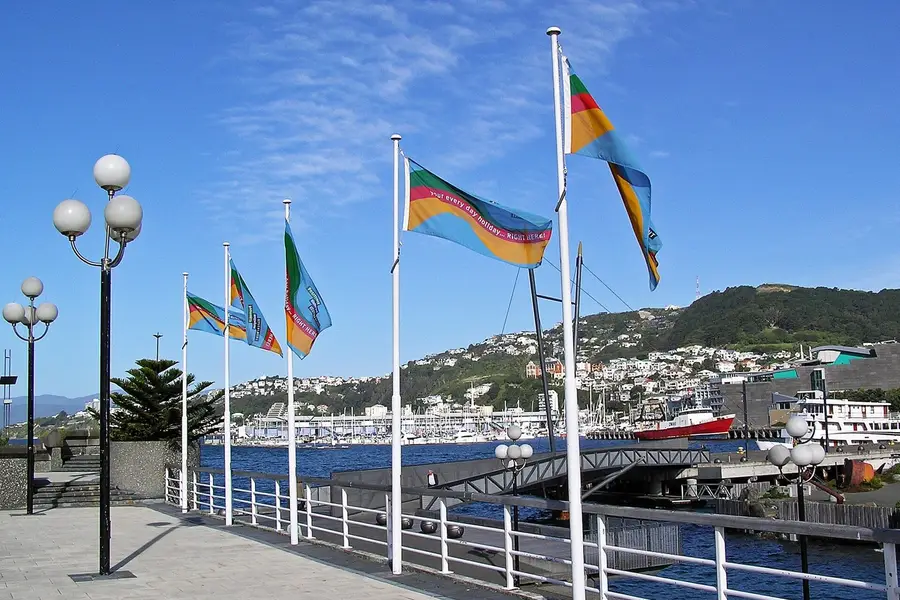
Wellington: Matariki Ahi Kā. Wellington City Council runs Matariki Ahi Kā, a free walk-through experience on the Wellington waterfront over the public holiday weekend. The council describes fire, projections and performances, a special ceremony each night honouring those who have died, fire pits with storytelling and games, kai (food) courts and live performances on two stages. The 2026 event ran over the holiday weekend, and the council says “We hope you will join us in 2027”. Dates for 2027 had not been announced.
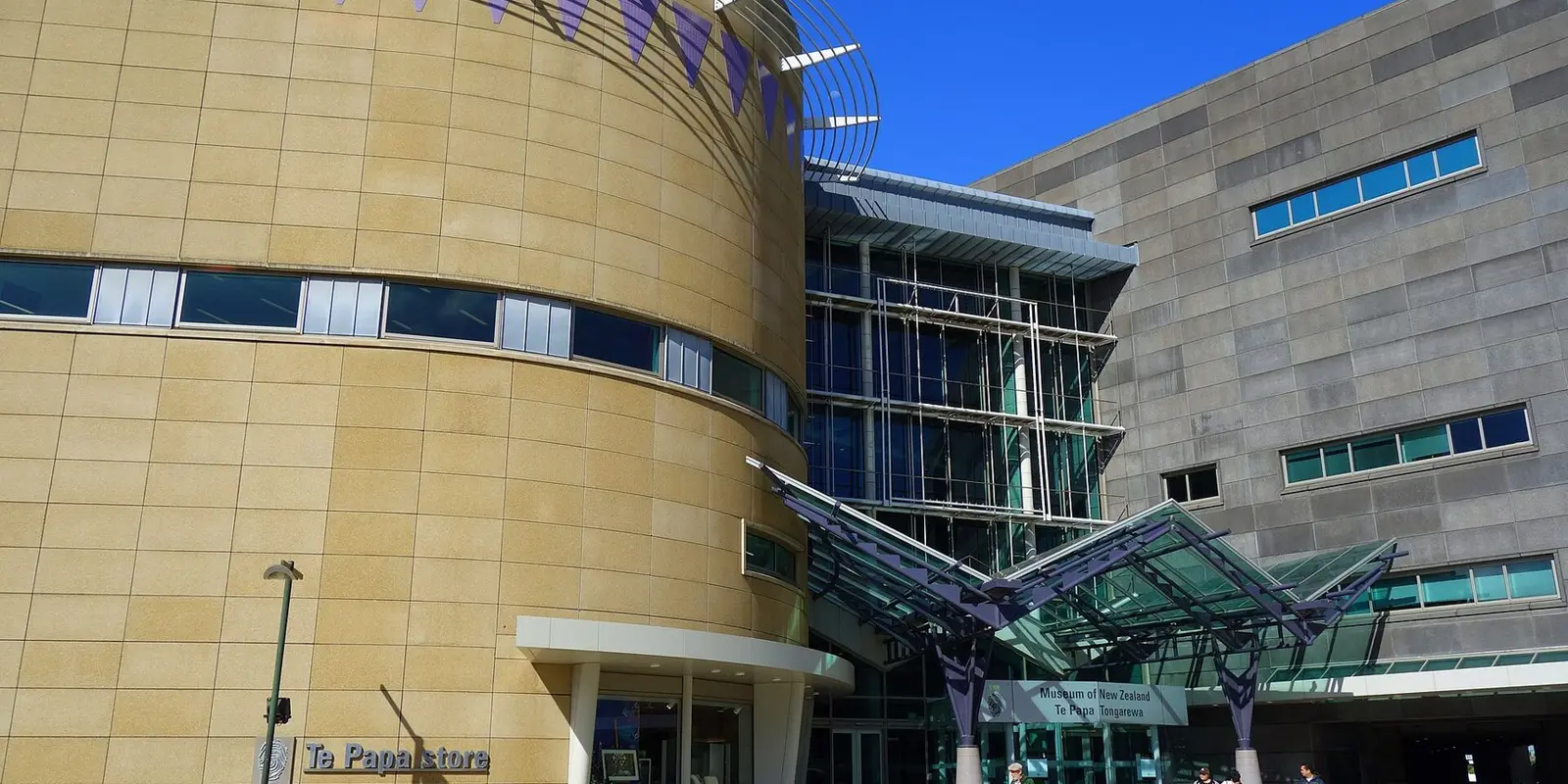
Te Papa sits right on the same waterfront and is worth combining with the event. Our Wellington guide has the rest of the city.
Auckland: Auckland Matariki Festival. The 2026 Auckland Matariki Festival ran from 4 to 19 July 2026 across the region. Dates for 2027 had not been published as at November 2026, so check the festival website closer to the time.
Auckland: Auckland Philharmonia Matariki concert. The Auckland Philharmonia has scheduled its Matariki concert for Thursday 24 June 2027 at 7.30pm in the Great Hall, Auckland Town Hall, the evening before the 2027 public holiday.
Mackenzie: Matariki Mackenzie. The Matariki Mackenzie festival ran on Saturday 11 July 2026 with a programme of free activities, including guided walks, art workshops and Matariki activity stations. Watch its website for the 2027 programme.
Visiting respectfully. Some parts of Matariki events, especially dawn ceremonies, are solemn occasions for remembering people who have died. Follow the guidance of hosts, keep quiet when asked, and ask before you photograph people.
Stargazing
The best way to understand Matariki is to see it. The Aoraki Mackenzie International Dark Sky Reserve, around Takapō (Tekapo) and Twizel, has some of the darkest skies in the country, and Matariki season is the middle of winter, with long, cold nights.
The Dark Sky Project at Takapō runs two main tours. As at November 2026, with prices valid to 30 September 2027:
| Tour | Where | Length | Price |
|---|---|---|---|
| Summit Experience | Mt John Observatory | 1 hr 45 min | $239, age 10 and over |
| Crater Experience | Cowan’s Private Observatory | 75 minutes | Adult $139, child (5 to 17) $99, family $377 |
The Dark Sky Project says it lends cold-weather jackets on the Summit Experience, which you will appreciate in June. Both tours depend on clear skies, so build a spare night into your plans.
Insider tip: to see Matariki itself in late June or July, you need to be up before dawn, looking east with a low, clear horizon. Find a dark spot away from streetlights the evening before, check the cloud forecast, and dress for frost. Lake Takapō and Lake Pūkaki shorelines are ideal.
Our Lake Tekapo guide covers where to stay and what else to do in the area.
Planning a Matariki trip
What to expect. Matariki is not a party in the way New Year’s Eve is. The mood is warm and reflective, with families out together, food stalls, music and plenty of children. Evening events are cold, often windy in Wellington, and sometimes cancelled for bad weather: Wellington City Council says it had to cancel the Thursday night of Matariki Ahi Kā in 2026 because of the weather.
What to pack. A warm jacket, hat, gloves and good shoes for standing around outdoors at night, plus a torch for stargazing.
Getting around. Public transport often runs to holiday timetables on the day itself, so check before you travel, and allow extra time on the roads at either end of the long weekend.
Matariki is a lovely reason to visit in winter. Pair a free waterfront event in Wellington with a few days of stargazing in the Mackenzie, or time an Auckland visit for the concert. Book accommodation for the long weekend early, pack warm layers, and keep an eye on official websites for 2027 programmes.
FAQ
When is Matariki in 2027?
What do people do at Matariki?
Can visitors join Matariki events?
Where can I see Matariki in the sky?
Is Matariki the same as the Pleiades?
Sources
Last checked 11 November 2026
- What is Matariki? · Te Papa
- Te Kāhui o Matariki Public Holiday Act 2022 · New Zealand Legislation
- Matariki and Puanga · Wellington City Council
- Matariki concert · Auckland Philharmonia
- Matariki Festival · Auckland Matariki Festival
- The Summit Experience · Dark Sky Project
- Crater Experience · Dark Sky Project